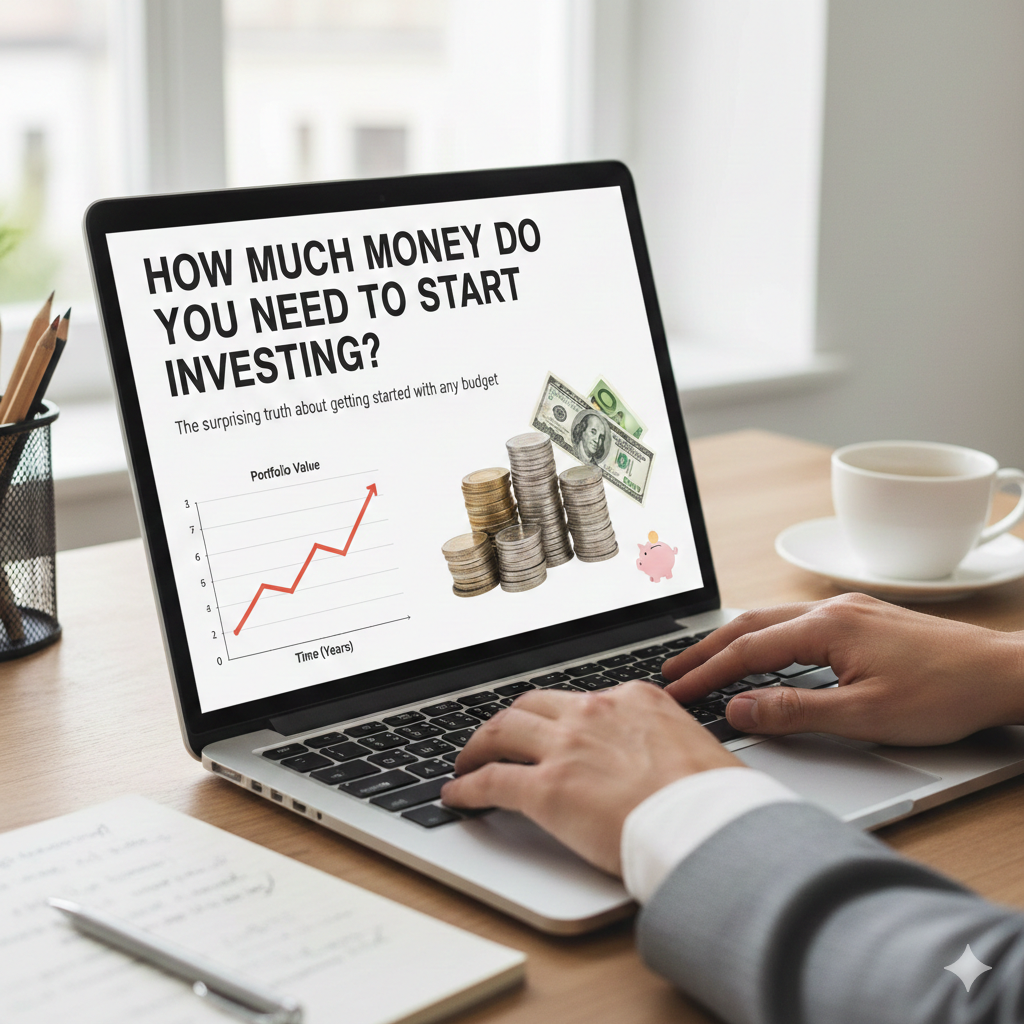
Introduction
You don’t need a large amount of money to start investing—what matters more is starting early, investing consistently, and choosing the right structure.
Start investing early, even with very little money, is more important than waiting for the “perfect” amount. Consistency, patience, and the right beginner-friendly products matter far more than size. This guide explains realistic starting amounts, common mistakes beginners make, and how to build confidence while investing safely..
The short answer
Most beginners can start investing with very little money, sometimes even with amounts they already spend casually each month. The key factor isn’t the starting amount—it’s consistency over time.
Why people think investing requires a lot of money
This myth exists because:
- Traditional brokers once required high minimums
- Media highlights large portfolios, not beginnings
- People confuse investing with day trading
Modern investing is far more accessible.
[Expert Warning] What beginners often overlook is that waiting to invest costs more than starting small and imperfectly.
Realistic minimums to start investing (by situation)
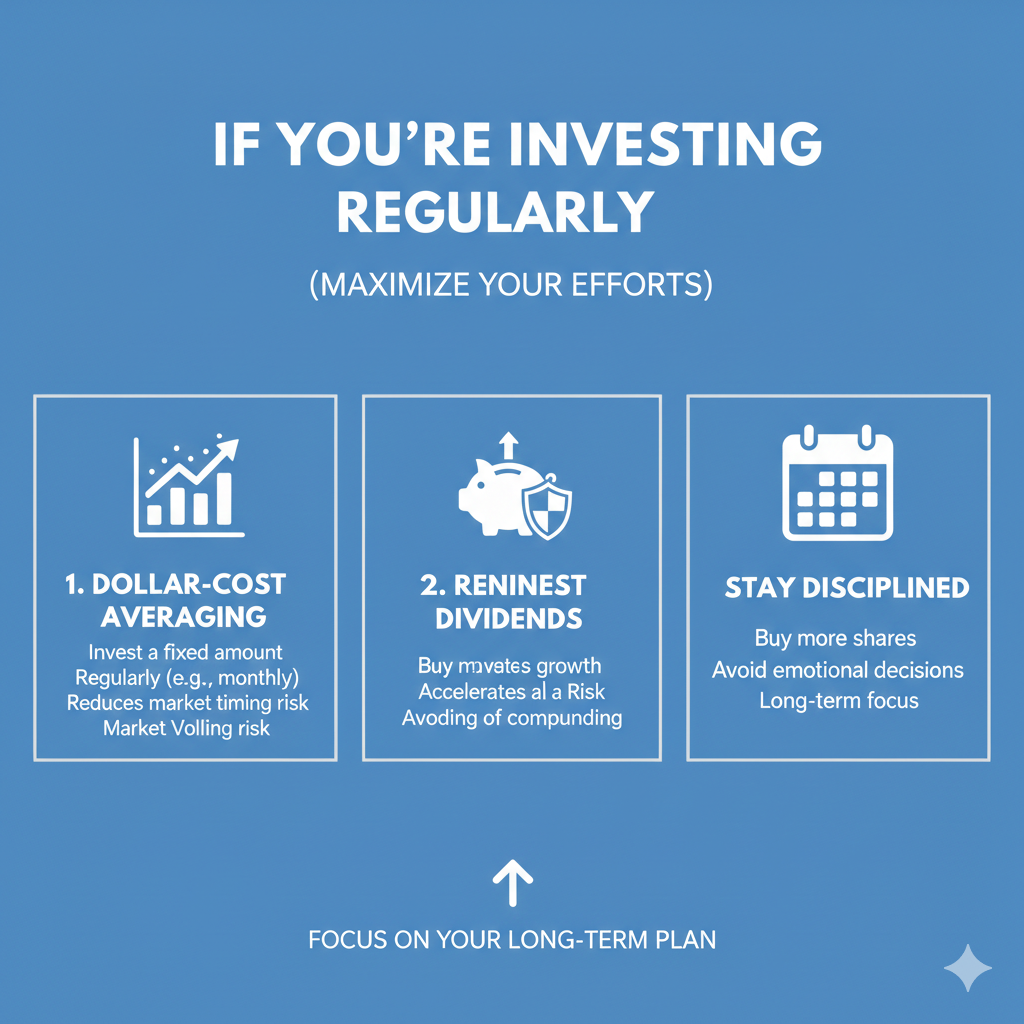
If you’re investing regularly
Many beginners start with:
- Small monthly amounts
- Automatic contributions
- Long-term focus
Consistency compounds faster than lump sums.
If you’re investing all at once
Some prefer to invest a single amount. Even modest sums work when invested wisely and held long enough.
If money is very tight
You can still “start” by:
- Learning investment basics
- Opening an account
- Setting up automation—even if amounts are tiny
Starting the system matters.
Common beginner mistakes (and fixes)
Mistake: Waiting for a “meaningful” amount
Fix: Start with what feels manageable and repeatable.
Mistake: Comparing to others’ portfolios
Fix: Compare progress to your own starting point.
Mistake: Overcomplicating the first investment
Fix: Simpler is safer early on.
[Pro-Tip] From real investing behavior, people who start small are more likely to stay invested long term.
Information Gain: Time beats amount
Top SERP articles often debate minimum amounts. What they miss is time leverage.
- Small amounts invested early can outperform larger amounts invested late
- Compounding rewards duration, not size
- Delaying entry often hurts more than market dips
Time in the market matters more than timing or amount.
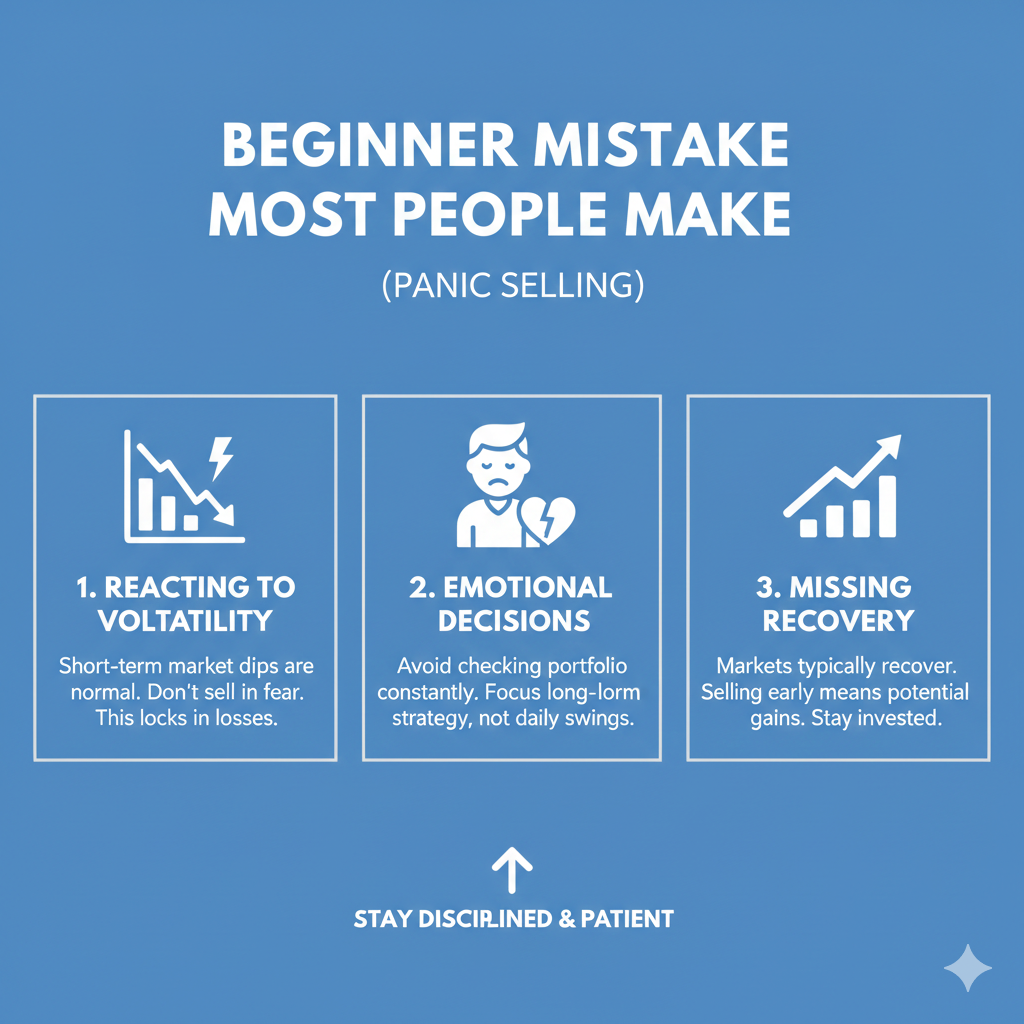
Beginner mistake most people make
The biggest beginner mistake is treating the first investment as a test of intelligence or success. In reality, it’s a learning fee. The goal is to build habit and understanding—not maximize returns immediately.
A practical way to decide your starting amount
Ask yourself:
- What amount won’t cause stress if markets fluctuate?
- What amount can I invest consistently each month?
- Does this leave my emergency buffer untouched?
Choose the lowest number that meets all three.
Table: Starting investment amounts
| Situation | Suggested Starting Approach |
| Tight budget | Very small, automated |
| Stable income | Modest, recurring |
| One-time cash | Invest gradually |
| High uncertainty | Learn + prepare |
Where beginners should invest first
Starting amount matters less than where it goes.
Beginner-friendly choices:
- Broad market funds
- Diversified ETFs
- Balanced investment funds
These reduce decision pressure and concentration risk.
[Money-Saving Recommendation] Beginner-friendly investing platforms often allow small, recurring investments with low or no minimums—making habit-building easier.
Real-world scenario: starting with small monthly investments
In practical situations, beginners who invest small monthly amounts:
- Worry less about market timing
- Build confidence faster
- Stay invested during volatility
Momentum comes from repetition, not size.
FAQs
What is the minimum amount to start investing?
Often very little—what matters is consistency.
Is it worth investing small amounts?
Yes. Small amounts build habits and compound over time.
Should I save before investing?
Yes. Cover essentials and a basic buffer first.
Can beginners invest monthly instead of lump sums?
Absolutely. Many prefer it.
Is investing small amounts risky?
Risk depends on asset choice, not amount.
Should I wait until I earn more?
Not necessarily—starting earlier often wins.
Conclusion
You don’t need a lot of money to start investing—you need clarity, consistency, and patience. Starting small builds confidence and habits that matter far more than the size of your first investment. Begin where you are, and let time do the work.
Internal link
https://financehired.com/index.php/2026/01/08/safe-investments/
External link