
Introduction
Investing for beginners works by putting money into assets that can grow or generate income over time, with returns depending on risk, time, and consistency—not luck or quick wins.
Many beginners feel intimidated by investing because online advice jumps straight into stocks, crypto, or complex strategies. In reality, investing is a gradual process built on understanding, patience, and realistic expectations. This guide explains how investing actually works from the ground up—what happens to your money, why risk exists, and how beginners can start safely without chasing trends or overcomplicating decisions.
What investing really means
At its core, investing means:
- You put money into an asset
- That asset has the potential to grow or produce income
- You accept uncertainty in exchange for long-term gains
Unlike saving, investing exposes your money to ups and downs—but rewards patience.
[Expert Warning] What beginners often overlook is that investing is a process, not a one-time decision.
How money grows through investing
Investing works through three main mechanisms:
1) Price growth
Assets like stocks or funds increase in value over time as businesses grow.
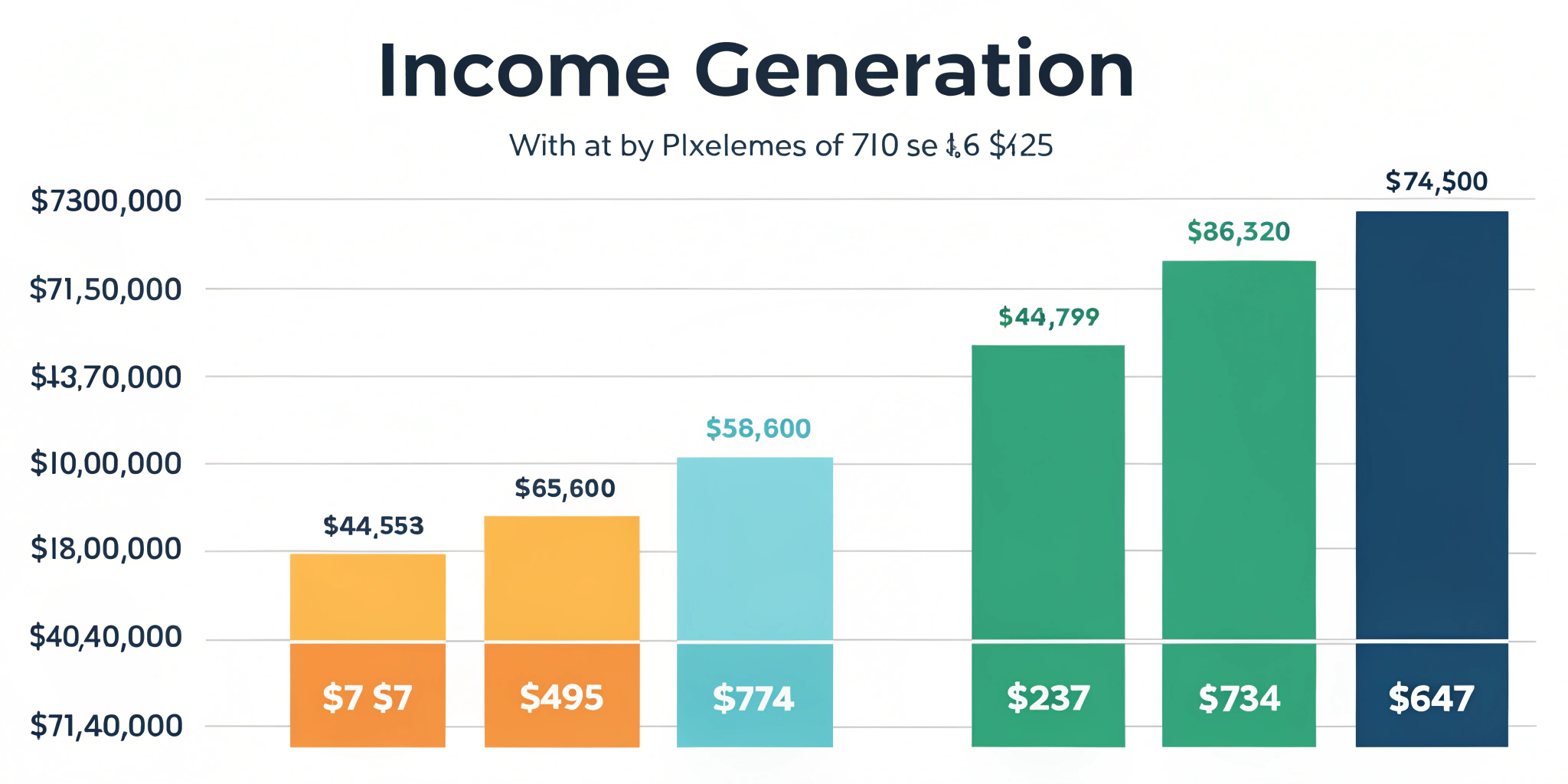
2) Income generation
Some investments pay:
- Dividends
- Interest
- Rental income
3) Compounding
Returns generate more returns when reinvested—this is where long-term growth accelerates.
Why risk exists in investing
Risk exists because:
- Businesses can underperform
- Markets react to uncertainty
- Prices move daily
Higher potential returns usually come with higher volatility.
[Pro-Tip] From real market behavior, risk is not something to eliminate—it’s something to manage.
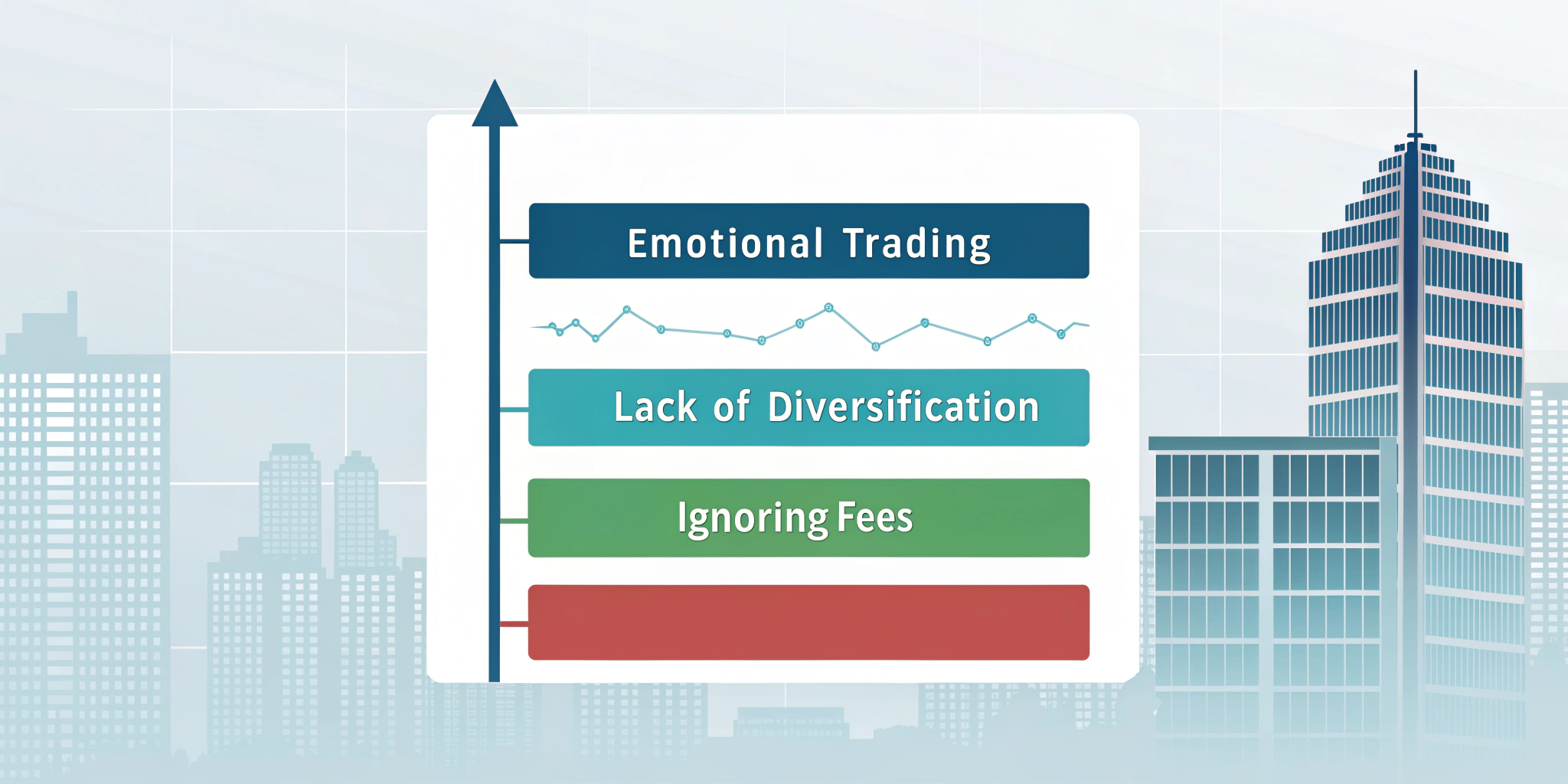
Common beginner investing mistakes
Mistake: Trying to avoid all risk
Fix: Accept small, controlled risk for long-term growth.
Mistake: Chasing fast profits
Fix: Focus on time in the market, not timing the market.
Mistake: Investing without understanding
Fix: Learn the basics before buying assets.
Mistake: Starting too aggressively
Fix: Begin small and increase as confidence grows.
Information Gain: Investing is about behavior, not intelligence
Top SERP pages focus on asset selection. What they miss is behavioral discipline.
In practice:
- Consistent investors outperform emotional ones
- Simple portfolios beat frequent trading
- Staying invested matters more than “perfect picks”
Your behavior determines results more than your knowledge.
Beginner mistake most people make
The biggest beginner mistake is believing you need to “feel confident” before investing. Confidence usually comes after experience. Starting small builds understanding faster than endless research.
How beginners should start investing
Step 1: Stabilize finances first
Before investing:
- Cover essentials
- Build a small emergency buffer
Step 2: Choose simple investment types
Beginner-friendly options include:
- Broad market funds
- Diversified ETFs
- Low-cost index funds
Step 3: Invest consistently
Small, regular contributions reduce risk and stress.
[Money-Saving Recommendation] Once basics are clear, beginner-friendly investing platforms or tools can automate consistency and reduce emotional decisions.
Table: Saving vs investing (quick comparison)
| Feature | Saving | Investing |
| Risk | Very low | Variable |
| Returns | Low | Medium–High (long term) |
| Purpose | Stability | Growth |
| Time horizon | Short-term | Long-term |
| Volatility | None | Yes |
Real-world scenario: starting investing with limited money
In practical situations, beginners succeed by:
- Investing small monthly amounts
- Ignoring daily market noise
- Staying invested through ups and downs
Consistency matters more than starting amount.
FAQs
How does investing make money?
Through growth, income, and compounding over time.
Is investing risky for beginners?
Yes, but risk can be managed with diversification and patience.
How much money do I need to start investing?
Often very little—consistency matters more than amount.
Can beginners lose all their money?
Unlikely with diversified, long-term investing.
Is investing better than saving?
They serve different purposes—both are important.
How long should beginners invest for?
Conclusion
Investing works best when beginners keep it simple, stay consistent, and focus on long-term growth. You don’t need perfect timing or advanced knowledge—just a clear understanding of risk, patience, and a system you can stick with.
Internal link
Investing Mistakes Beginners Make (And How to Fix Them)
External link