
Introduction
Finance Certifications Worth It are those that directly support your role, accelerate real-world opportunities, and enhance career growth—not credentials pursued out of fear or pressure.
In 2025, certifications are everywhere. Some open doors, while others quietly drain time and money without improving job prospects. The confusion comes from generic advice that treats all credentials as equal. This guide cuts through the noise. You’ll learn which finance certifications actually pay off, which are overrated for most roles, how to judge ROI before enrolling, and how professionals use certifications strategically—rather than as substitutes for experience.
The real purpose of finance certifications (beyond resumes)
Certifications exist to signal competence where experience is hard to verify.
They work best when:
- The role has standardized expectations
- Employers recognize the credential
- The skills tested match day-to-day work
They work poorly when used as:
- Entry substitutes
- Career “insurance” without direction
- Resume fillers with no role alignment
[Expert Warning] What many candidates overlook is opportunity cost—time spent on the wrong certification delays real experience.
Finance certifications that are usually worth it (by role)
1) CFA — Worth it only for specific paths
Best for:
- Asset management
- Portfolio management
- Investment research
Not ideal for:
- Corporate finance
- FP&A
- Operations
- FinTech
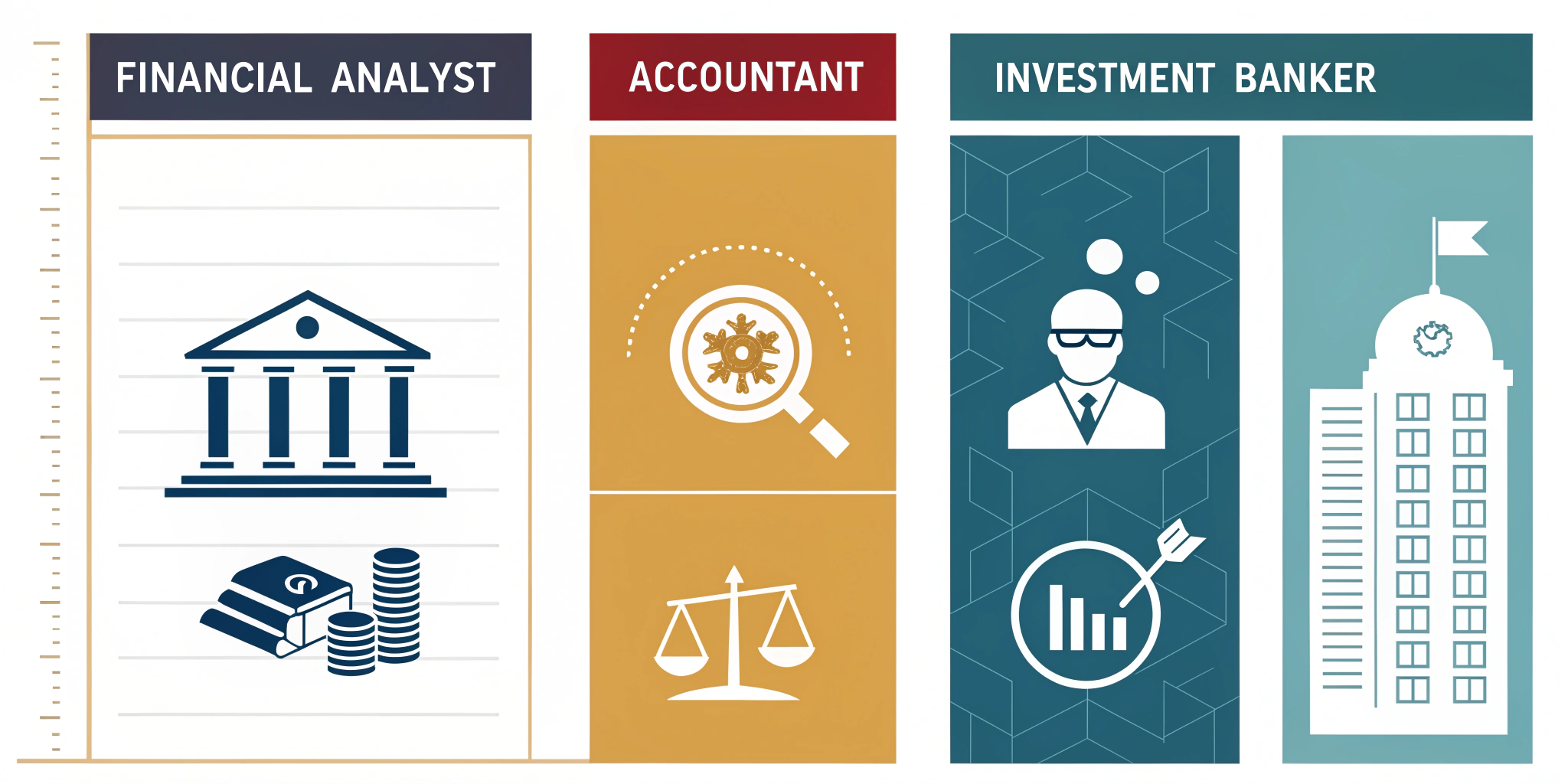
CFA is powerful when aligned—but unnecessary elsewhere.
2) CPA / Accounting Credentials
Strong ROI for:
- Accounting-focused roles
- Audit and controllership
- Financial reporting
Often more valuable than CFA for corporate finance leadership paths.
3) FP&A / Corporate Finance Certifications
Examples include planning, modeling, and forecasting programs.
Why they work:
- Practical skills
- Shorter time investment
- Direct role alignment
[Pro-Tip] From real hiring patterns, managers prefer candidates who can model and forecast over those with broad theoretical credentials.

4) Risk & Compliance Certifications
Examples:
- Risk management
- Compliance and regulatory credentials
Why they’re growing:
- Increased regulation
- Clear compliance standards
- Lower automation risk
5) Data & Finance Hybrid Certifications
Examples:
- Financial modeling
- Data analysis for finance
- SQL/Python for analysts
These often outperform traditional finance-only credentials in 2025.
Certifications that are often overrated
Not useless—but frequently misused.
- Generic “finance certificates” with no employer recognition
- Broad online certificates without applied projects
- Credentials taken without role clarity
The issue isn’t the certificate—it’s misalignment.
Information Gain: ROI beats prestige
Top SERP articles rank certifications by prestige. What they miss is return on invested effort.
A certification is worth it when it:
- Shortens time to promotion
- Expands role options
- Increases confidence and performance
A lower-prestige credential with direct application often beats a famous one with weak relevance.
Practical insight from experience (unique section)
In practical situations, professionals who wait to certify after entering a role choose better credentials. They see:
- What skills are actually used
- Which gaps slow promotions
- What managers value
Certifications chosen with context deliver far higher ROI.
[Money-Saving Recommendation] Enter the field first if possible, then certify strategically instead of guessing early.
How to decide if a certification is worth it (simple checklist)
Ask:
- Do job descriptions mention it repeatedly?
- Does it teach skills I’ll use weekly?
- Will my employer value or support it?
- Does it complement my experience—not replace it?
If you answer “no” to two or more, reconsider
Table: Finance certifications vs real value
| Certification Type | Best Use Case | ROI Potential |
| CFA | Investment roles | High (role-specific) |
| CPA | Accounting/reporting | High |
| FP&A / Modeling | Corporate finance | Medium–High |
| Risk & Compliance | Governance roles | Medium–High |
| Generic Finance Certs | Resume Padding | Low |
When not to pursue a certification
Avoid certifications when:
- You’re unclear on target role
- You lack basic experience
- You’re using it to delay job applications
Experience first, credentials second—most of the time.
FAQs
Are finance certifications required to get hired?
No. Many roles prioritize skills and experience.
Which finance certification has the best ROI?
The one aligned with your target role.
Is CFA worth it for corporate finance?
Usually no—it’s investment-focused.
Should I get certified before my first job?
Only if the role clearly requires it.
Do employers pay for certifications?
Some do, especially after you’re hired.
Are online certifications respected?
Only when employers recognize them and skills are applied.
Conclusion
Finance certifications are worth it when they’re strategic, role-specific, and timed correctly. Skip prestige chasing. Choose credentials that shorten your path, sharpen your skills, and compound your experience.
internal link
https://financehired.com/index.php/2026/01/08/finance-careers-without-cfa/