
Introduction
Finance career choice can be a great fit if you enjoy problem-solving, decision-making, and long-term growth—but it isn’t ideal for everyone.
People often ask whether a career in finance is “worth it” because the industry has a mixed reputation: strong pay potential on one side, stress and long hours on the other. In 2025, finance looks very different from a decade ago. Automation has changed tasks, remote work has reshaped teams, and skill-based hiring now opens doors beyond elite degrees. This guide breaks down the real pros, cons, and trade-offs so you can decide based on fit, not hype
What people usually mean by “a good career”
Before judging finance, define what “good” means to you. For most people, it’s a mix of:
- Income stability and growth
- Work-life balance
- Job security
- Learning and progression
- Stress tolerance
Finance performs well on some—and poorly on others—depending on the role.
[Expert Warning] What many candidates overlook is role variation. “Finance” isn’t one job; outcomes vary widely by function and employer.
The strongest reasons finance is a good career
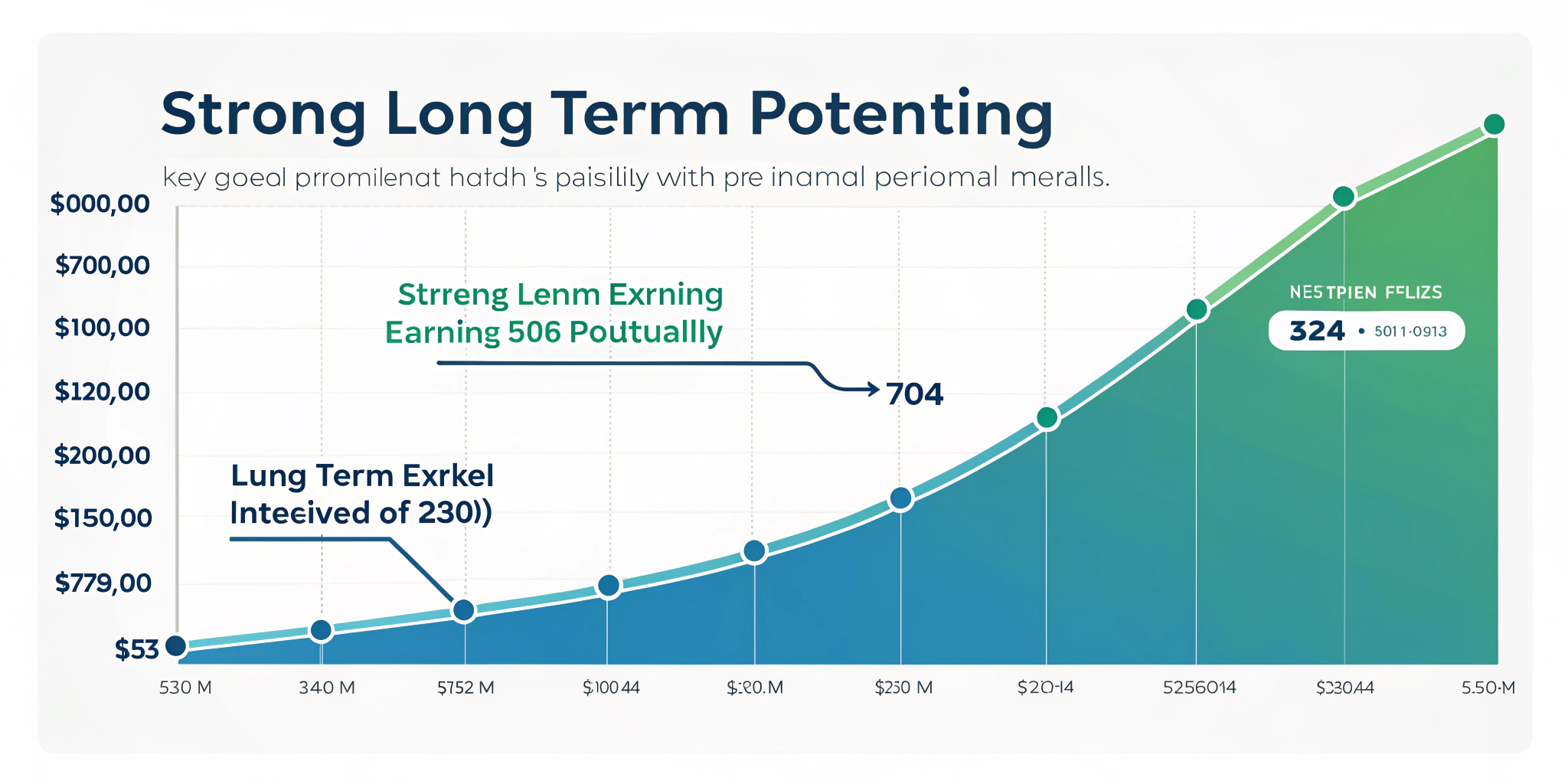
1) Strong long-term earning potential
Many finance roles offer:
- Predictable salary growth
- Clear promotion ladders
- Transferability across industries
You may not start at the top, but experience compounds.
2) Broad applicability across industries
Finance skills apply to:
- Tech
- Healthcare
- Manufacturing
- Retail
- Startups
This flexibility increases resilience during downturns.
3) Decision-making influence
Finance professionals often sit close to strategic decisions—budgets, investments, pricing, and risk.
For people who enjoy impact, this is a major advantage.
The honest downsides people don’t talk about enough
1) Stress varies dramatically by role
High-pressure roles exist (investment banking, trading), but many finance jobs are stable and predictable.
Stress depends more on role choice than on the field itself.
2) Early years can feel rigid
Entry-level roles may involve:
- Reporting
- Repetitive analysis
- Tight deadlines
Growth improves autonomy—but patience is required.
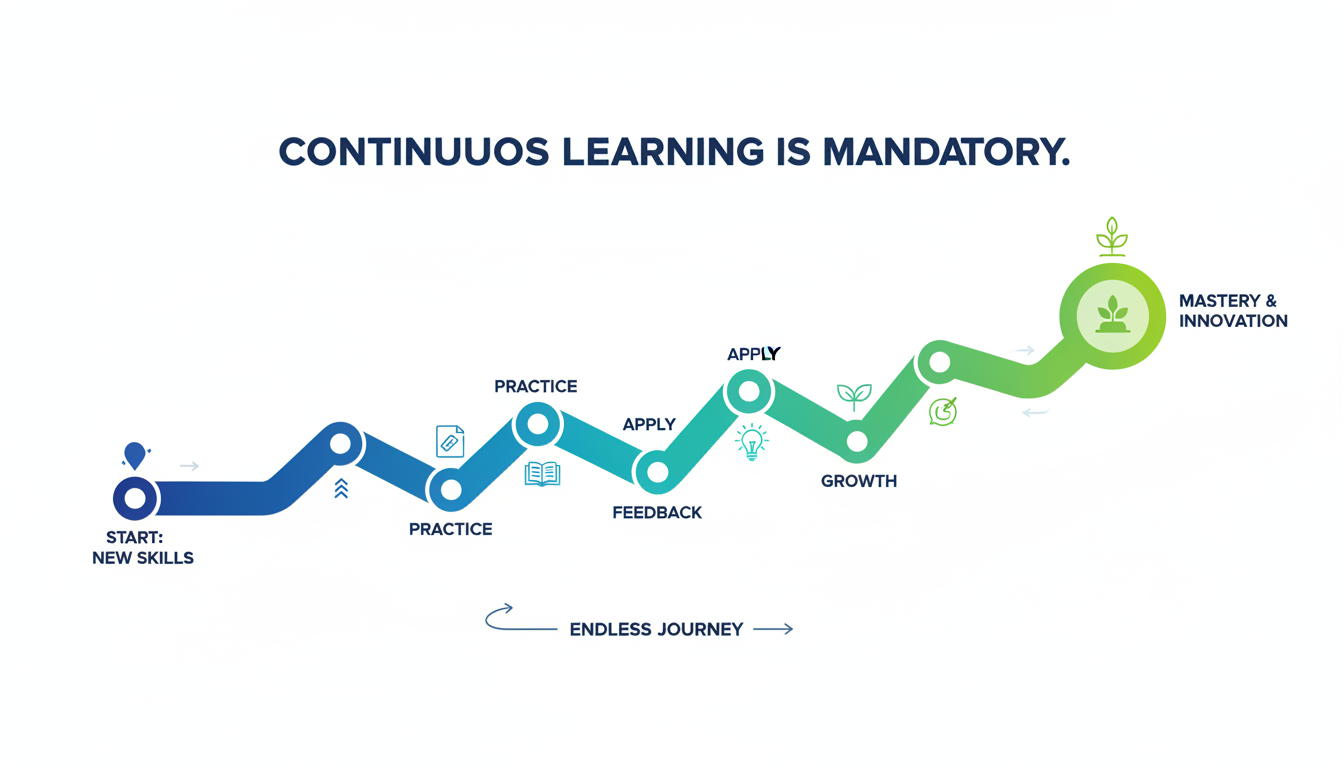
3) Continuous learning is mandatory
Tools, regulations, and expectations evolve. Finance rewards learners but punishes stagnation.
[Pro-Tip] From real career paths, people who enjoy learning thrive in finance; those who don’t feel stuck quickly.
Information Gain: Finance success depends on where you sit
Top SERP articles ask “Is finance good?” as a binary. The real answer depends on function + environment.
For example:
- FP&A in a mid-size company → stable, strategic, reasonable hours
- Investment roles at top firms → high pay, high pressure
- Risk/compliance → stability, lower stress, slower growth
Choosing where you sit matters more than choosing finance itself.
Myth vs reality
Myth: Finance always means long hours
Reality: Many finance roles run standard workweeks.
Myth: You need elite credentials
Reality: Skills and experience increasingly matter more.
Myth: Finance is only about money
Reality: It’s about decisions, trade-offs, and systems.
Who finance is a good fit for
Finance tends to suit people who:
- Enjoy structured problem-solving
- Can handle responsibility and deadlines
- Like understanding how businesses work
- Prefer logic-driven decisions
If you dislike numbers and decision accountability, finance may frustrate you.
Table: Finance career fit checklist
| Factor | Finance Performs Well | Finance Performs Poorly |
| Income growth | ✅ | |
| Job flexibility | ✅ | |
| Creativity | ❌ | |
| Stress tolerance | Depends on role | |
| Stability | ✅ | |
| Repetition tolerance | ❌ |
Real-world scenario: choosing finance vs alternatives
In practical situations, people unsure about finance often test it through:
- Analyst or operations roles
- Internships or contract positions
- Business-focused finance teams
This “trial phase” reduces regret and clarifies fit.
[Money-Saving Recommendation] Try entry-level exposure before committing to expensive certifications or degrees.
FAQs
Is finance a stable career?
Yes, especially in corporate, risk, and planning roles.
Is finance stressful?
Some roles are; many are not. Role choice matters.
Does finance pay well long term?
Generally yes, with experience and progression.
Is finance good for introverts?
Yes—many roles favor focused, analytical work.
Can I switch out of finance later?
Yes. Finance skills transfer well to strategy and operations.
Is finance better than accounting?
Neither is better universally—they suit different preferences.
Conclusion
Finance is a good career choice when it aligns with your skills, stress tolerance, and learning mindset. It offers stability and growth—but only if you choose roles intentionally. The right finance job feels strategic, not suffocating.
Internal link
Finance Careers Without CFA (Realistic Options)
External link
Financial Analysts : Occupational Outlook Handbook: : U.S. Bureau of Labor Statistics