Introduction
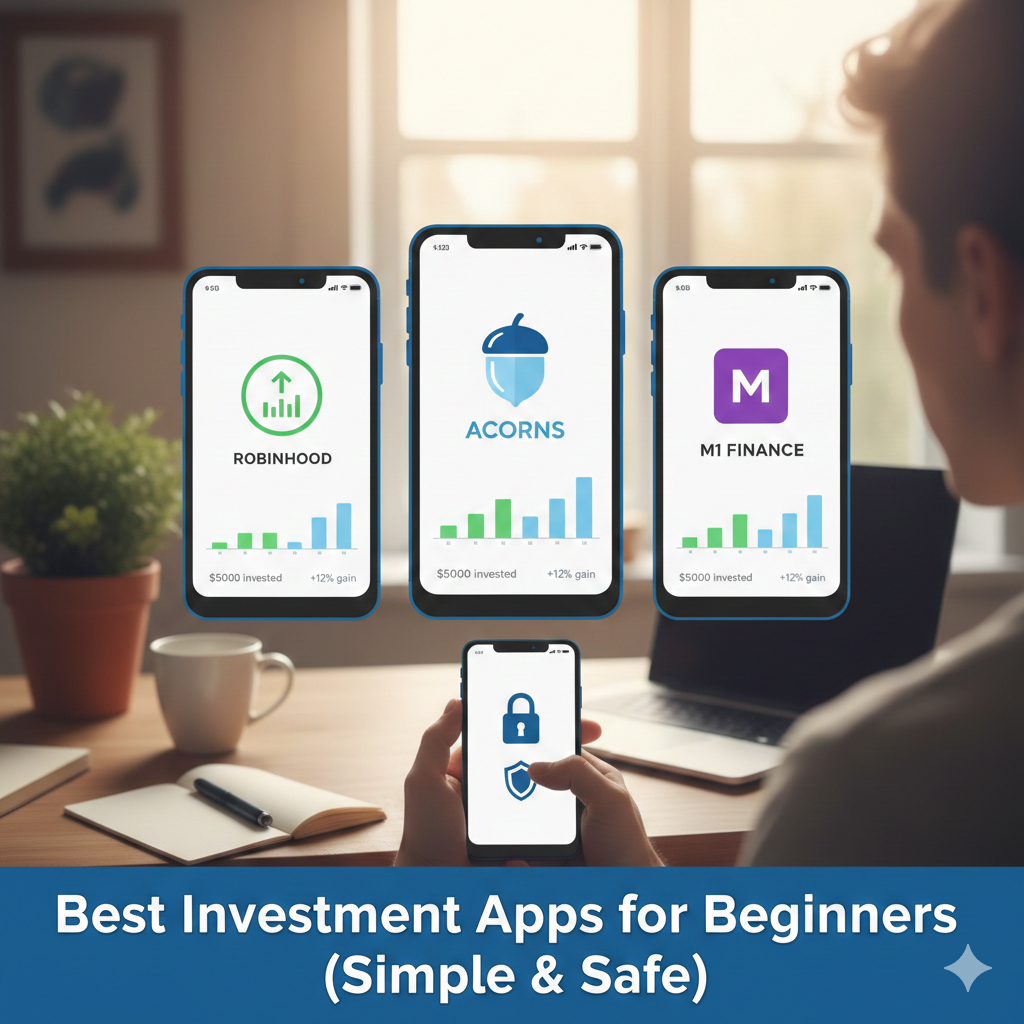
The best investment apps for beginners are not the ones with the most features or the flashiest design—they’re the ones that reduce confusion, automate smart habits, and protect new investors from costly early mistakes. For beginners, the right app should make investing feel calm, structured, and sustainable, not overwhelming or addictive.
With hundreds of investing apps competing for attention, many beginners choose based on ads, influencer hype, or promises of quick returns. That approach often leads to overtrading, emotional decisions, and unnecessary losses. This guide takes a behavior-first approach to identifying the best investment apps for beginners, focusing on what actually matters early on: simplicity, automation, transparency, and long-term support. Instead of ranking apps by popularity, you’ll learn how to choose an app that helps you stay invested—not distracted.
What beginners should really look for in an investment app
Before naming any app, focus on criteria, not branding.
Beginner-friendly investment apps usually:
- Are simple to navigate
- Encourage long-term investing
- Offer diversified options
- Limit impulsive trading
- Clearly show fees and risks
[Expert Warning] What beginners often overlook is that too many features increase mistakes, not performance.
Core types of investment apps (and who they’re for)
1) Automated / Robo-Investing Apps
These apps manage portfolios automatically.
Best for:
- Hands-off beginners
- Busy professionals
- Those who dislike constant decisions
They reduce emotional errors and decision fatigue.
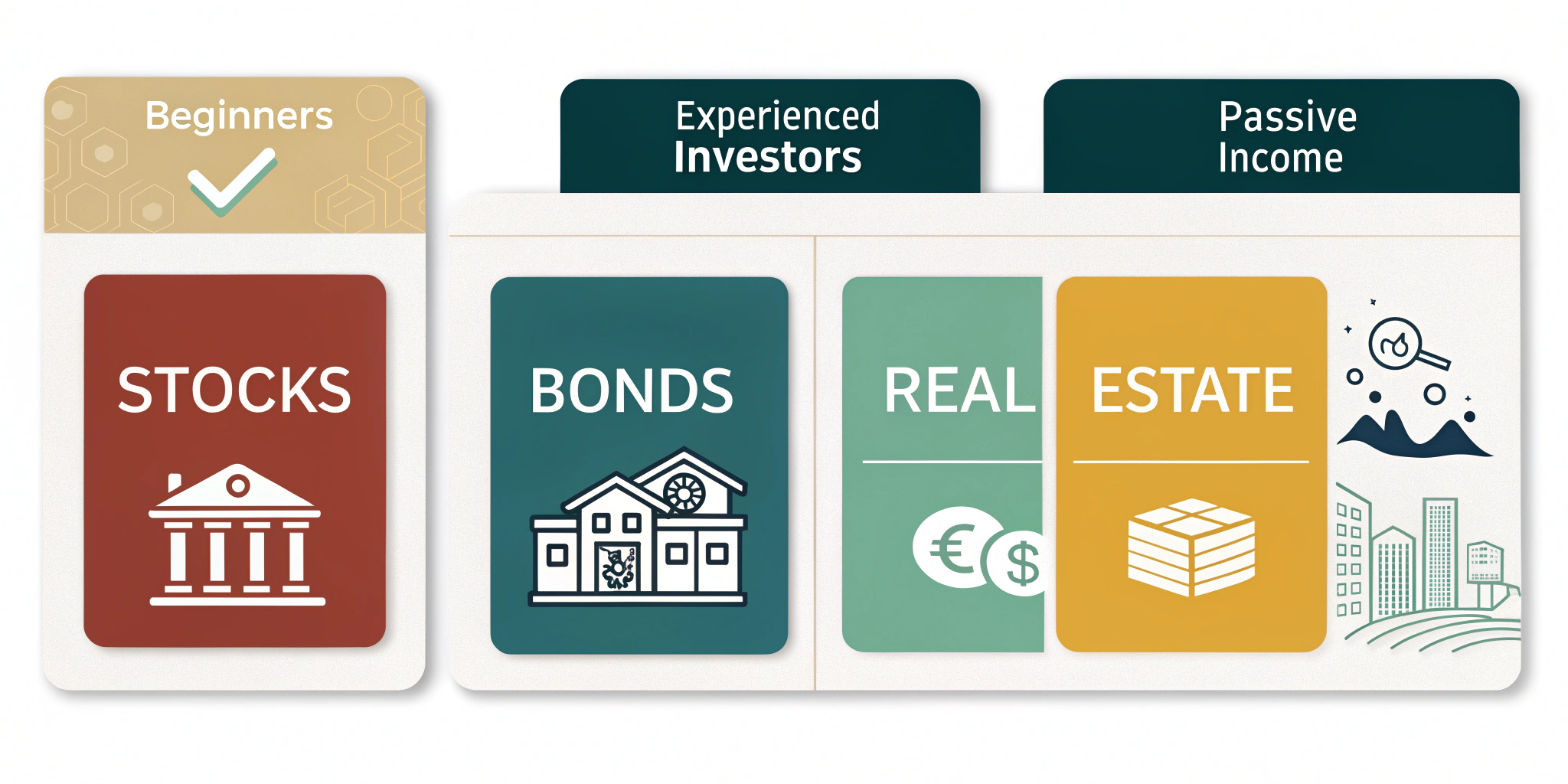
2) Simple DIY Investing Apps
These allow you to choose basic investments without complexity.
Best for:
- Curious beginners
- People who want to learn gradually
- Long-term, low-frequency investors
Avoid apps that push frequent trading early on.
3) Micro-Investing Apps
These allow very small investments.
Best for:
- Tight budgets
- Habit building
- First-time investors
They lower the barrier to starting—but shouldn’t encourage gambling behavior.
[Pro-Tip] From real user behavior, apps that emphasize automation outperform apps that emphasize “activity.”
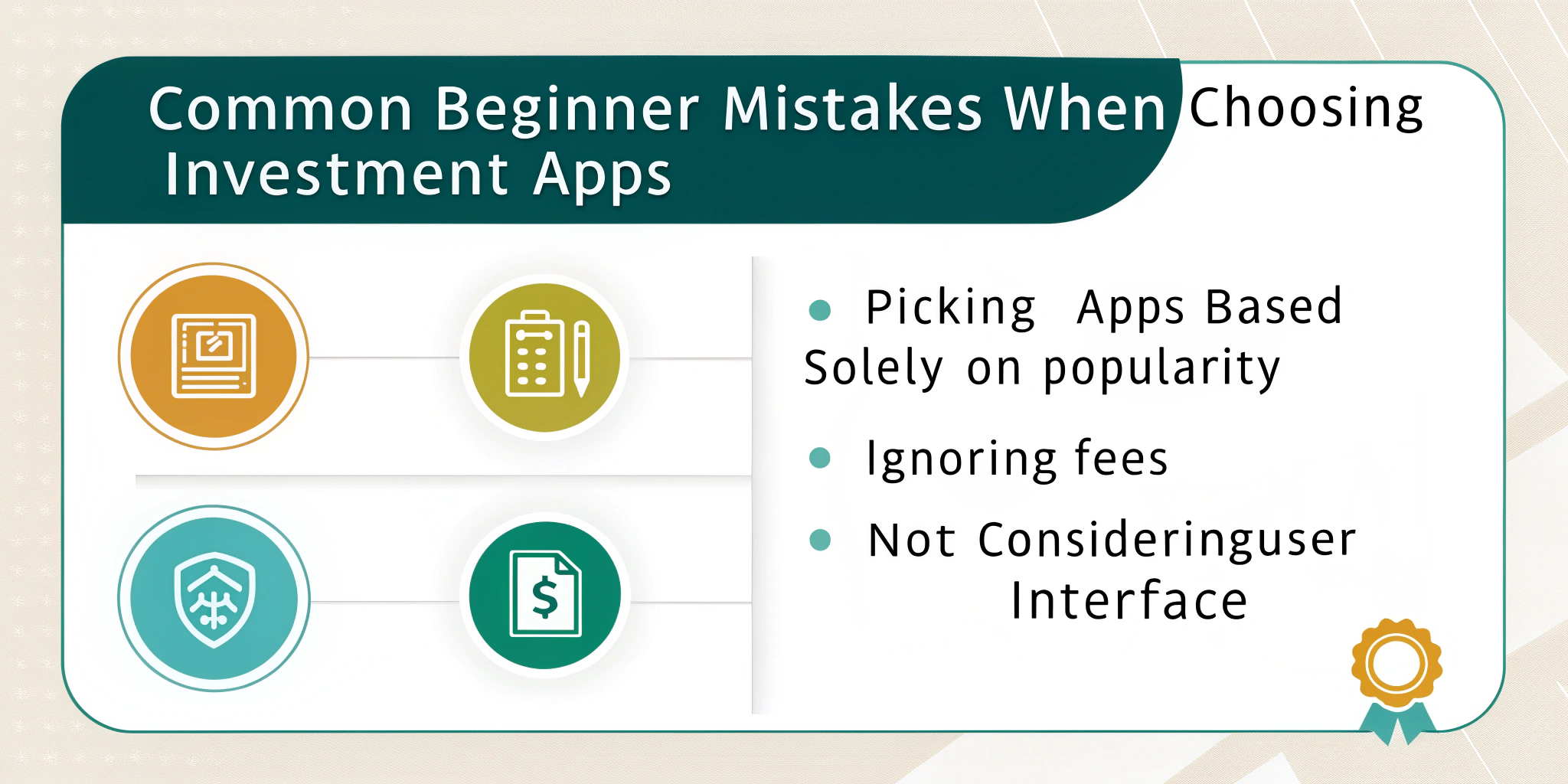
Common beginner mistakes when choosing investment apps
Mistake: Choosing apps that gamify investing
Fix: Prefer calm, educational interfaces over flashy ones.
Mistake: Overtrading because it’s “easy”
Fix: Limit how often you buy and sell—ease of use cuts both ways.
Mistake: Ignoring fees and spreads
Fix: Review all costs, not just advertised ones.
Information Gain: The app shapes investor behavior
Most SERP articles compare app features. What they miss is behavioral influence.
Apps that:
- Send constant notifications → increase emotional trades
- Highlight daily gains → increase panic selling
- Encourage automation → improve consistency
The best app quietly supports discipline.
Real-world scenario: a beginner app setup that works
In practical situations, beginners succeed by:
- Using one main investing app
- Automating monthly investments
- Ignoring daily price movements
- Reviewing progress quarterly
[Money-Saving Recommendation] Start with automation enabled and notifications limited—features that protect behavior matter more than flexibility early on.
Table: Beginner investment app types compared
| App Type | Complexity | Automation | Beginner Suitability |
| Robo-Investing | Low | High | Very High |
| Simple DIY Investing | Medium | Medium | High |
| Micro-Investing | Low | Medium | Medium–High |
| Advanced Trading Apps | High | Low | Low |
What beginners should avoid early on
Avoid apps that:
- Push leverage or margin
- Encourage frequent trading
- Highlight “top movers” aggressively
- Reward activity over consistency
Early investing should feel boring—and that’s good.
How to choose the best investment app for you
Ask yourself:
- Do I want automation or control?
- How often do I realistically want to manage investments?
- Will this app reduce or increase emotional decisions?
Choose the app that matches your behavior, not your ambition.
FAQs
What is the best investment app for beginners?
The best app is simple, low-cost, and encourages long-term investing.
Are investment apps safe for beginners?
Yes, when regulated and used responsibly.
Should beginners trade stocks on apps?
Not early on—diversified investing is safer.
Do investment apps charge hidden fees?
Some do; always review fee disclosures.
Can beginners lose money using apps?
Yes—risk depends on investments, not the app.
How often should beginners check investment apps?
Monthly or quarterly is usually enough.
Conclusion
The best investment apps for beginners don’t promise fast returns—they quietly help you stay consistent, patient, and disciplined. Choose simplicity over excitement, automation over impulse, and clarity over control. The right app won’t make you rich overnight—but it will keep you invested long enough for growth to matter.
Internal link
https://financehired.com/index.php/2026/01/08/robo-advisor-vs-diy-investing-2/
External link
Best Investment Apps in 2026 – Forbes Advisor