Introduction
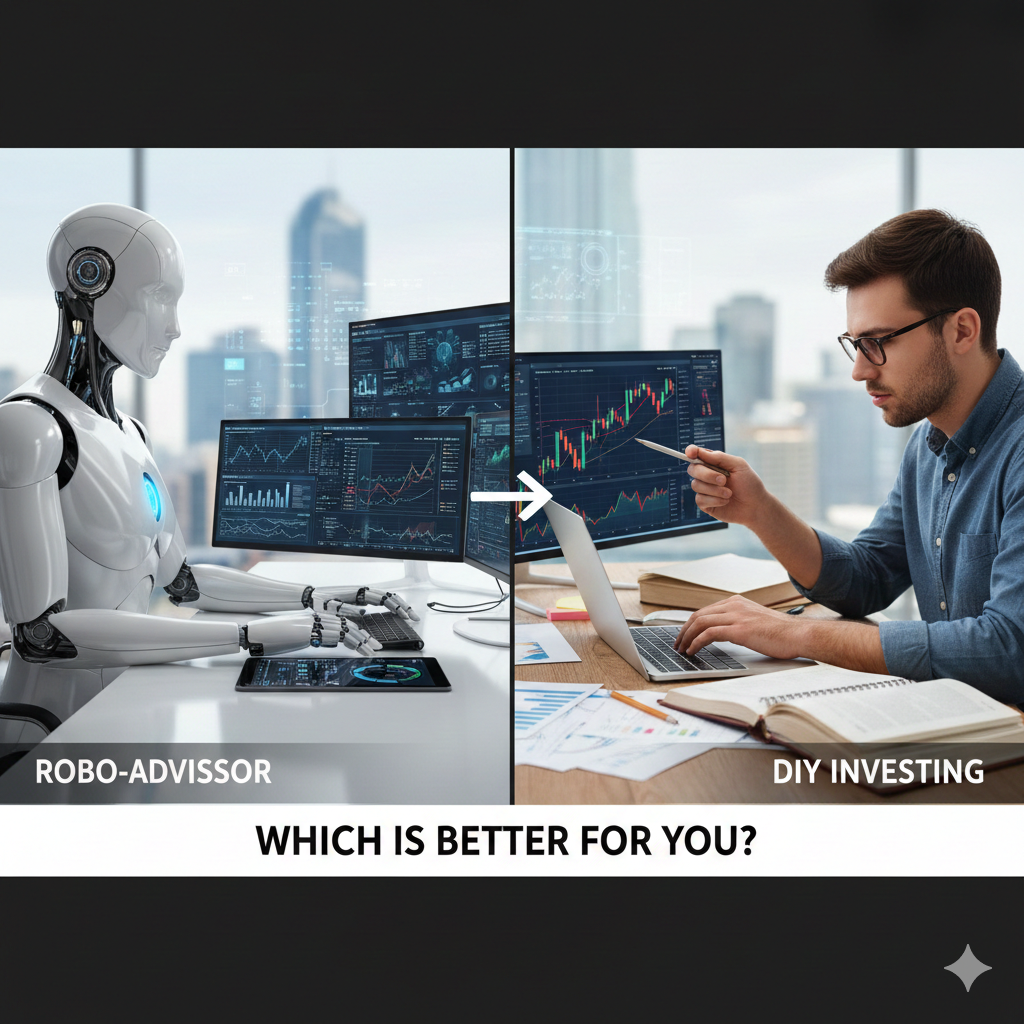
The choice between robo-advisor vs DIY investing comes down to how much control, time, and responsibility you want in managing your investments. Beginners are often torn between automated investing platforms that promise simplicity and hands-off management, and do-it-yourself investing that offers full control but requires more effort and discipline.
In reality, robo-advisors help reduce emotional mistakes and decision fatigue through automation, while DIY investing encourages learning and flexibility—but also exposes investors to common behavioral errors. This guide compares robo-advisor vs DIY investing in practical, real-world terms, focusing on behavior, time commitment, and confidence rather than marketing hype, so you can choose the approach that truly fits your investing style.
What a robo-advisor actually does
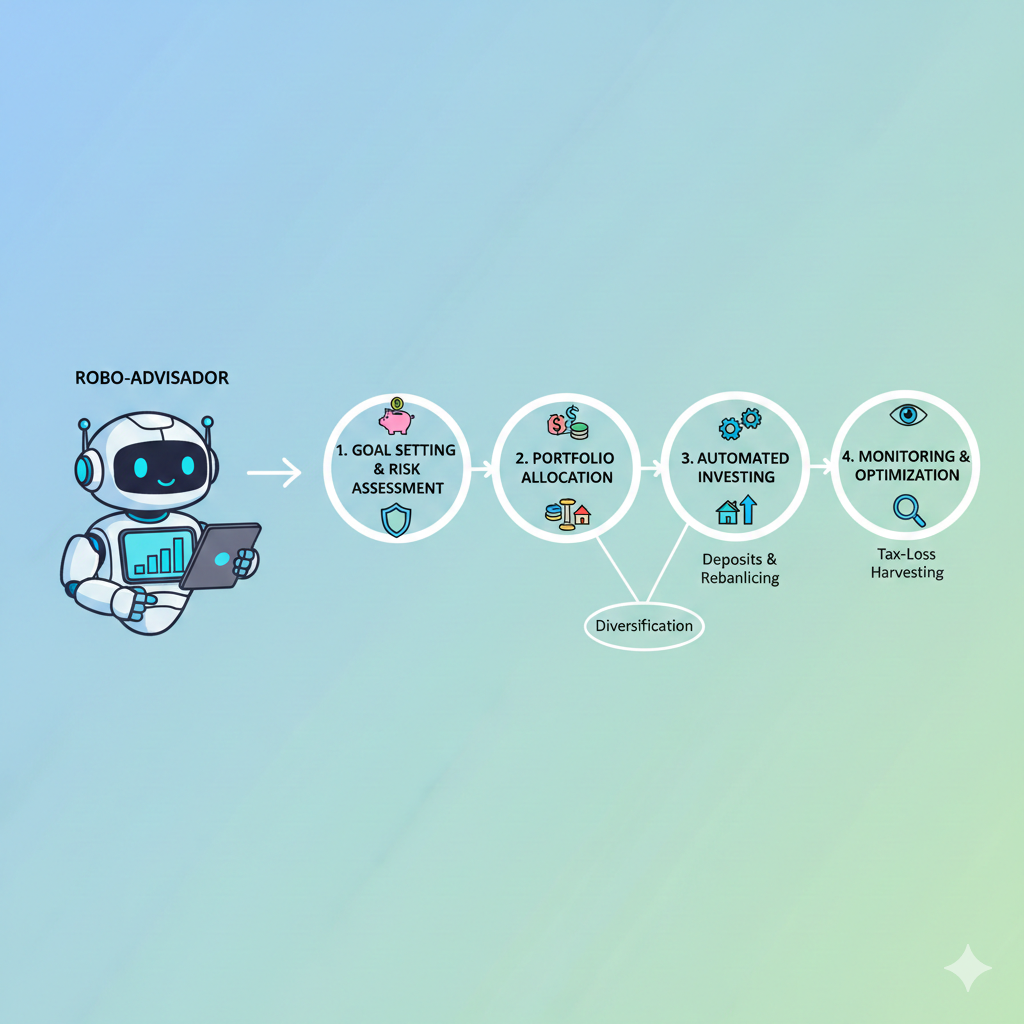
A robo-advisor is an automated investment service that builds and manages a portfolio for you.
Core features:
- Automatic asset allocation
- Periodic rebalancing
- Risk-based portfolio design
- Minimal ongoing decisions
Robo-advisors reduce decision fatigue and emotional mistakes.
[Expert Warning] Robo-advisors aren’t “set and forget” forever—you still need to understand goals and risk tolerance.
What DIY investing really involves
DIY (do-it-yourself) investing means choosing and managing investments yourself.
Typical responsibilities:
- Selecting assets or funds
- Deciding allocation
- Rebalancing periodically
- Managing emotions during volatility
DIY offers control—but demands discipline.
[Pro-Tip] From real investor behavior, DIY success depends more on consistency than intelligence.
Key differences beginners feel quickly
Decision load
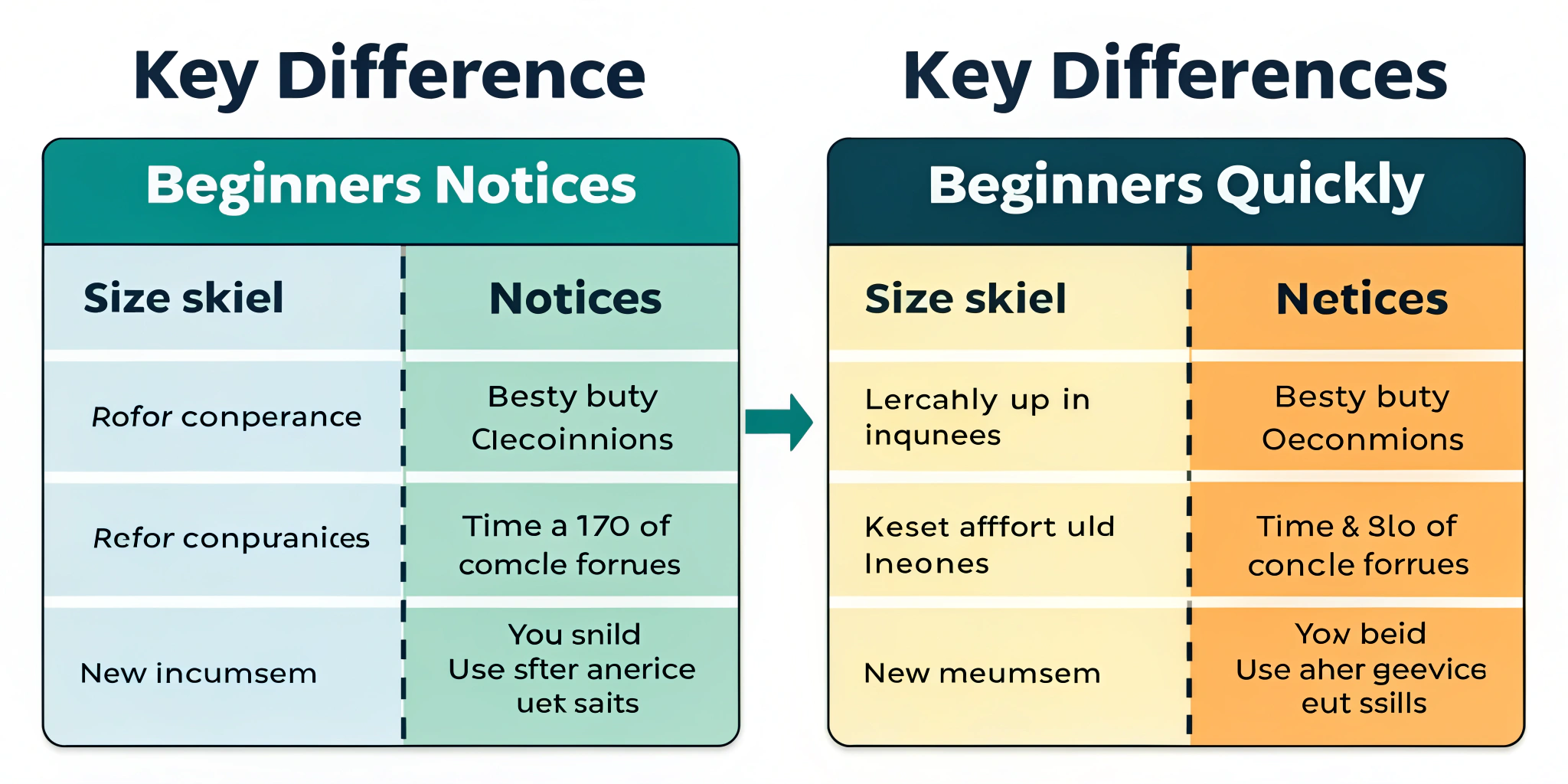
- Robo-advisor: Low
- DIY: High
Learning curve
- Robo-advisor: Gentle
- DIY: Steep
Emotional exposure
- Robo-advisor: Reduced
- DIY: Direct
Common beginner mistakes
Mistake: Assuming robo-advisors remove all risk
Fix: Understand that market risk still exists—automation manages behavior, not outcomes.
Mistake: DIY investing without a plan
Fix: Start with a simple allocation before adding complexity.
Mistake: Switching approaches too often
Fix: Commit to one approach for at least a year.
Information Gain: Behavior beats strategy
Advisor vs DIY Most SERP comparisons focus on fees and features. What they miss is behavioral alignment.
In practice:
- Automated investors stay invested longer
- DIY investors learn faster—but quit sooner
- Fewer decisions often mean better outcomes early
Choosing the approach that fits your behavior matters more than optimization.
Real-world scenario: choosing based on time and temperament
In practical situations:
- Busy professionals prefer robo-advisors
- Curious learners enjoy DIY investing
- Many use both—automation for core goals, DIY for learning
[Money-Saving Recommendation] Start automated, then add DIY investing with a small amount once habits are stable.
Table: Robo-advisor vs DIY investing
| Factor | Robo-Advisor | DIY Investing |
| Control | Low–Medium | High |
| Time required | Low | Medium–High |
| Emotional mistakes | Fewer | More likely |
| Fees | Low–Medium | Low |
| Learning opportunity | Limited | High |
| Beginner suitability | High | Medium |
When robo-advisors make more sense
Choose a robo-advisor if:
- You want simplicity
- You dislike constant decisions
- You value automation over control
Robo-advisors protect you from overthinking.
When DIY investing is a better fit
Choose DIY investing if:
- You enjoy learning and research
- You can manage emotions
- You want full control
FAQs
Is a robo-advisor better than DIY investing?
It depends on time, discipline, and goals.
Do robo-advisors charge high fees?
Usually low, but higher than pure DIY.
Can beginners start with DIY investing?
Yes—but mistakes are more likely early on.
Is it okay to use both approaches?
Yes. Many investors do.
Do robo-advisors beat the market?
No—they aim for consistency, not outperformance.
Which is safer for beginners?
Robo-advisors reduce behavioral risk.
Conclusion
Robo-advisor vs DIY investing isn’t about right or wrong—it’s about fit. Automation protects behavior; DIY builds skill. Choose the approach that matches your time, temperament, and learning style, and your results will follow.
Internal link