
Introduction
Best financial products for beginners are those that reduce mistakes, build good habits, and protect against unnecessary fees before trying to maximize returns.
Most beginners pick products based on ads, friends’ advice, or search results—but that often leads to hidden fees, complexity, or tools that don’t fit real needs. This guide explains which financial products truly matter for beginners, why some options are safer than others, and how to choose products that support learning, stability, and long-term success without locking you into early mistakes.
What beginners really need from financial products
https://www.youtube.com/watch?
Before comparing products, understand the goal. Beginners need products that:
- Are easy to understand and manage
- Limit downside risk and costly mistakes
- Encourage consistency (saving, paying on time)
- Grow with experience rather than overwhelm
[Expert Warning] What beginners often overlook is that complexity increases error rates. Simple products outperform advanced ones early on.
Core financial product categories every beginner should know
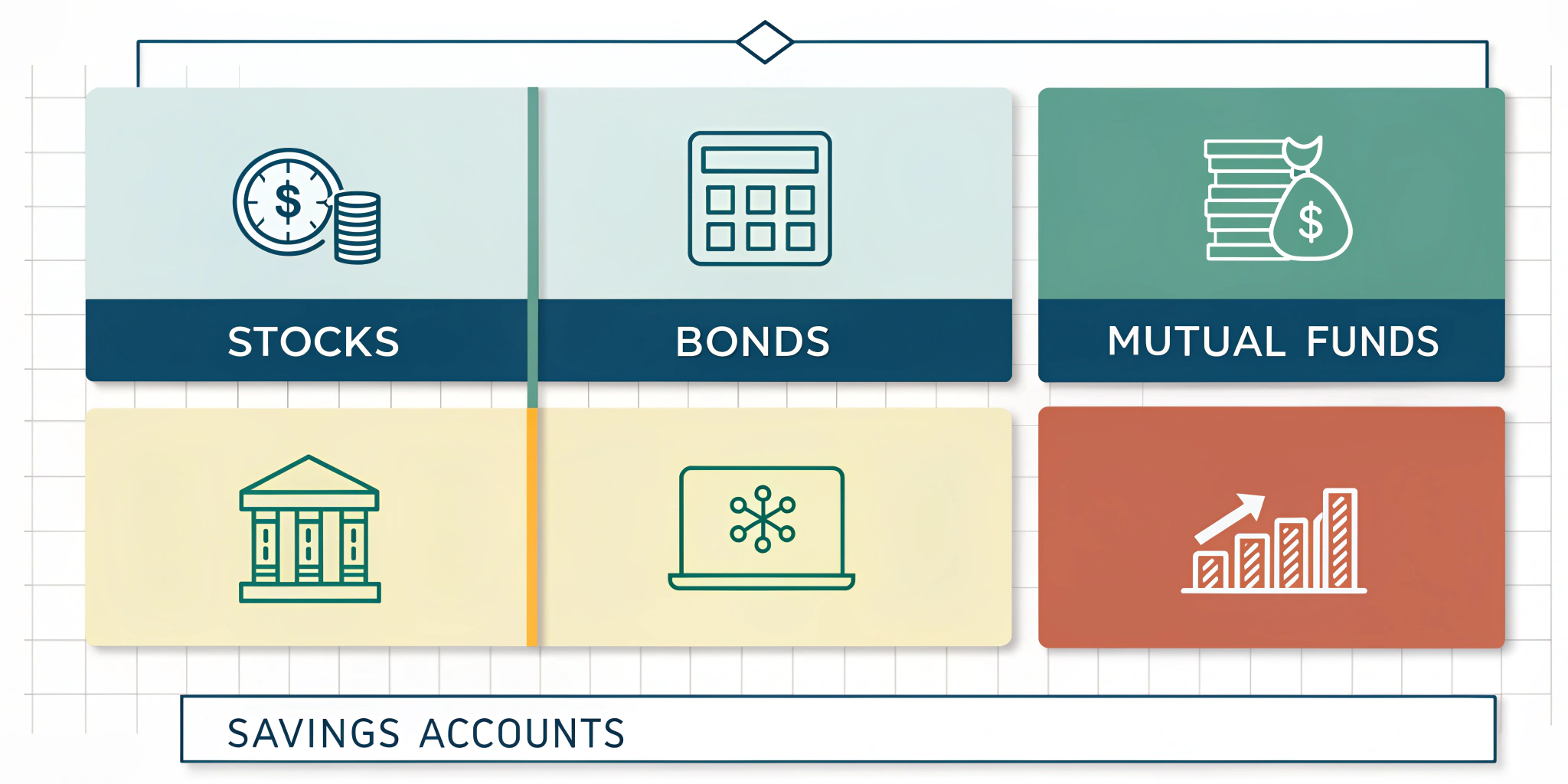
1) Savings Accounts (Your foundation)
Savings accounts are often the first and most important product.
Why they matter:
- Safe place for emergency funds
- Easy access without penalties
- Builds the habit of saving
High-interest or online savings accounts are often best for beginners.
2) Credit Cards (Used carefully)
Credit cards are powerful—but risky if misused.
Best beginner features:
- No annual fee
- Clear statements
- Low barriers to approval
Used responsibly, credit cards help build credit history and payment discipline.
[Pro-Tip] From real usage, beginners who automate full balance payments avoid nearly all common credit card problems.
3) Debit Cards & Checking Accounts
These products handle day-to-day money movement.
Why they’re beginner-friendly:
- Direct spending control
- No interest risk
- Easy tracking
Choose accounts with low or no maintenance fees.
4) Investment Accounts (Simple, diversified)
Beginner investment products should emphasize:
- Diversification
- Low fees
- Minimal decision-making
Broad funds and beginner-friendly investment platforms work better than stock picking early on.
5) Budgeting & Money Management Tools
Tools don’t fix habits—but they can reduce friction.
Good beginner tools:
- Expense summaries
- Automatic savings
- Bill reminders
Avoid tools that require constant manual input.

Common beginner mistakes when choosing financial products
Mistake 1: Choosing based on bonuses only
Fix: Look at long-term fees and usability.
Mistake 2: Opening too many products at once
Fix: Start with one product per purpose.
Mistake 3: Ignoring terms and conditions
Fix: Scan for fees, penalties, and limits.
[Expert Warning] Hidden fees often cost more than obvious ones.
Information Gain: Products should shape behavior, not just features
Top SERP comparison pages focus on features. What they miss is behavioral impact.
For beginners:
- Automatic features > manual control
- Fewer choices > flexibility
- Clear feedback > complex analytics
The right product reduces decision fatigue and mistakes.
Real-world scenario: a simple beginner product stack
In practical situations, beginners succeed with:
- One checking account
- One high-interest savings account
- One beginner credit card (optional)
- One diversified investment option
This “lean stack” keeps finances manageable.
Table: Beginner financial products and their purpose
| Product Type | Primary Purpose | Beginner Suitability |
| Savings Account | Safety & buffers | Very High |
| Checking Account | Daily spending | High |
| Credit Card | Credit building | Medium (with discipline) |
| Investment Account | Long-term growth | Medium–High |
| Budgeting Tool | Awareness & control | High |
How to evaluate a financial product (simple checklist)
Before signing up, ask:
- Is it easy to understand without help?
- Are fees clear and minimal?
- Does it reduce or increase mistakes?
- Can I upgrade later without penalties?
If a product fails two or more, skip it.
When beginners should not use certain products
Avoid early:
- Complex trading platforms
- High-fee managed products
- Credit products with penalties
- Anything you don’t understand
[Money-Saving Recommendation] Beginner-friendly products with fewer features often outperform “premium” products when habits are still forming.
FAQs
What is the best financial product to start with?
A simple savings and checking account combination.
Do beginners need credit cards?
Not immediately—only if used responsibly.
Are financial apps necessary?
Helpful, but not required early on.
Should beginners invest before saving?
No. Build a small buffer first.
How many financial products should beginners have?
As few as needed to stay organized.
When should beginners upgrade products?
After habits stabilize and needs grow.
Conclusion
The best financial products for beginners aren’t flashy—they’re forgiving. Products that reduce mistakes, keep costs low, and support good habits set the foundation for long-term success. Start simple, grow intentionally, and let clarity—not features—guide your choices.
Internal link
Robo-Advisor vs DIY Investing: Which Is Better for You?
External link