Introduction
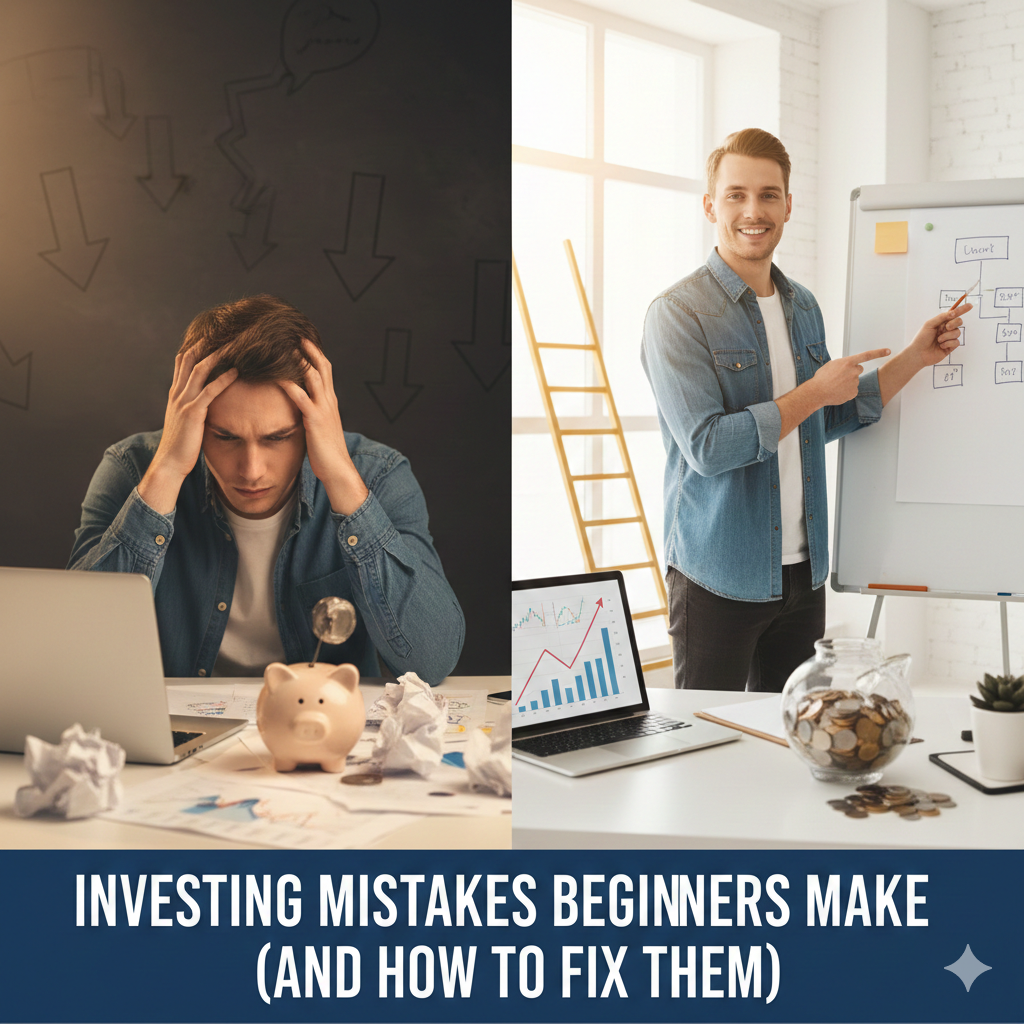
Investing mistakes beginners make aren’t usually about picking the wrong stock—they’re about behavior, timing, and unrealistic expectations.
Many new investors assume success comes from insider tips or perfect timing, but most losses happen due to emotional decisions, poor structure, or copying advice without context. This guide breaks down the most common beginner investing mistakes, explains why they happen, and shows how to fix them with simple systems that protect you from your own worst impulses—without requiring advanced knowledge or constant monitoring.
Mistake 1: Waiting for the “perfect time” to invest
Many beginners delay investing because they’re waiting for:
- Market crashes
- Certainty
- “Better conditions”
The problem is that perfect timing rarely appears.
Why it fails:
Markets move unpredictably. Waiting often means missing years of compounding.
Fix:
Start small and invest consistently. Time in the market matters more than timing the market.
[Expert Warning] What beginners often overlook is that fear of starting usually costs more than early mistakes.
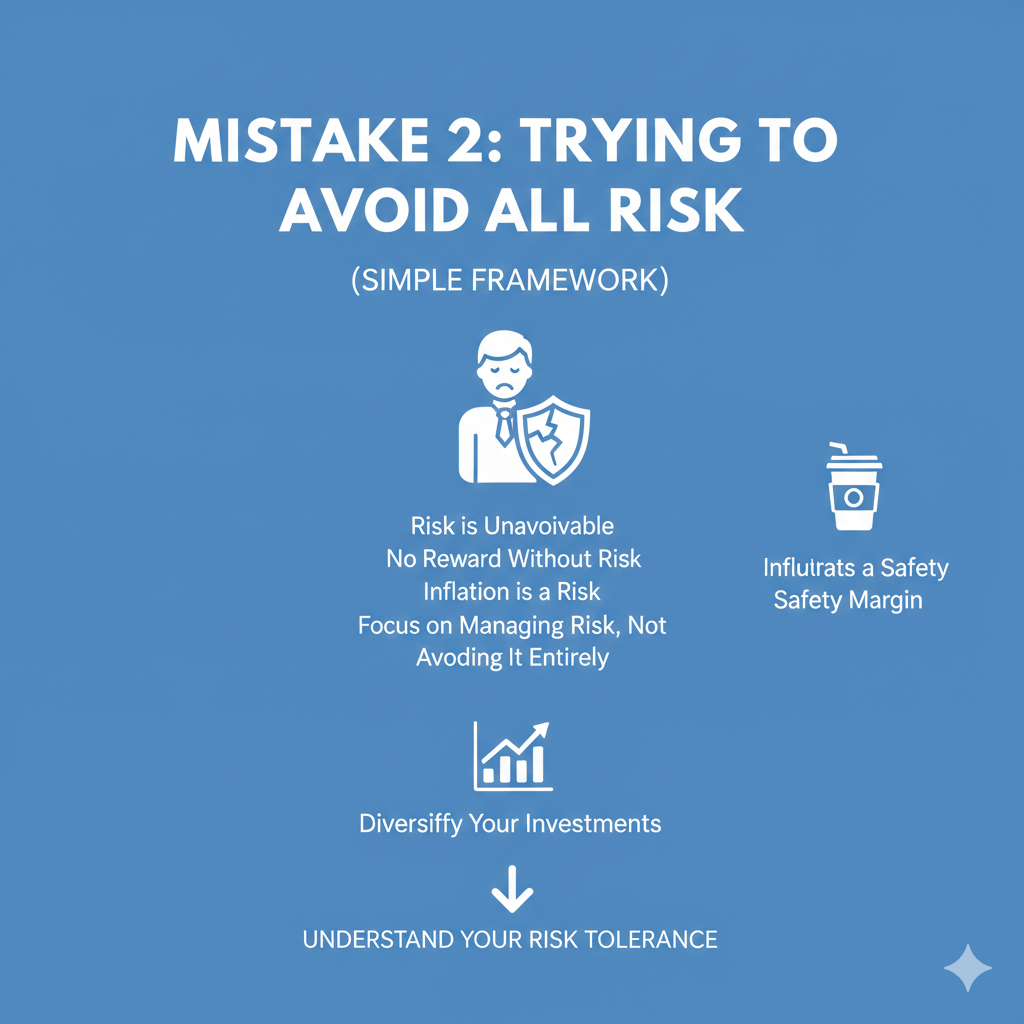
Mistake 2: Trying to avoid all risk
Beginners often believe safe investing means no price movement.
Why it fails:
Zero-risk assets often lose value to inflation over time.
Fix:
Accept controlled risk through diversification and long-term holding.
[Pro-Tip] From real market behavior, diversified volatility is healthier than guaranteed stagnation.
Mistake 3: Chasing hype, trends, or “hot tips”
Social media, news cycles, and influencers create constant urgency.
Why it fails:
By the time beginners hear about a trend, prices often already reflect the hype.
Fix:
Stick to broad, boring investments early. Learn before speculating.
Mistake 4: Overtrading and constant monitoring
Checking prices daily feels productive—but it isn’t.
Why it fails:
Frequent decisions increase emotional reactions and transaction costs.
Fix:
Set a review schedule (monthly or quarterly) and ignore daily noise.
Mistake 5: Investing without a plan
Many beginners invest randomly:
- One stock here
- One fund there
- No clear purpose
Why it fails:
Without a plan, it’s impossible to evaluate progress or risk.
Fix:
Define:
- Time horizon
- Risk tolerance
- Purpose of each investment
Structure reduces anxiety and mistakes.
Information Gain: Most investing mistakes are emotional, not technical
Top SERP articles list mistakes as technical errors. What they miss is emotional sequencing.
In practice:
- Fear causes late entry
- Greed causes overexposure
- Panic causes selling at lows
A simple plan protects you when emotions spike.
Beginner mistake most people make (unique section)
The most damaging beginner mistake is treating early losses as proof of failure. Small losses are part of learning. Quitting after them prevents experience from compounding.
Mistake 6: Copying strategies without context
What works for one investor may fail for another.
Why it fails:
Different:
- Time horizons
- Income stability
- Risk tolerance
Fix:
Adapt strategies to your situation—not someone else’s results.
Mistake 7: Ignoring costs and fees
Small fees compound quietly over time.
Why it fails:
High fees reduce long-term returns significantly.
Fix:
Prefer low-cost, diversified investment options early on.
[Money-Saving Recommendation] Beginner-friendly investment platforms and low-cost funds help keep fees from quietly eroding returns.
How to avoid beginner investing mistakes (simple framework)
Step 1: Start boring
Use diversified investments first.
Step 2: Automate decisions
Automation removes emotion.
Step 3: Limit review frequency
Check progress monthly, not daily.
Step 4: Learn gradually
Experience builds confidence faster than theory alone.
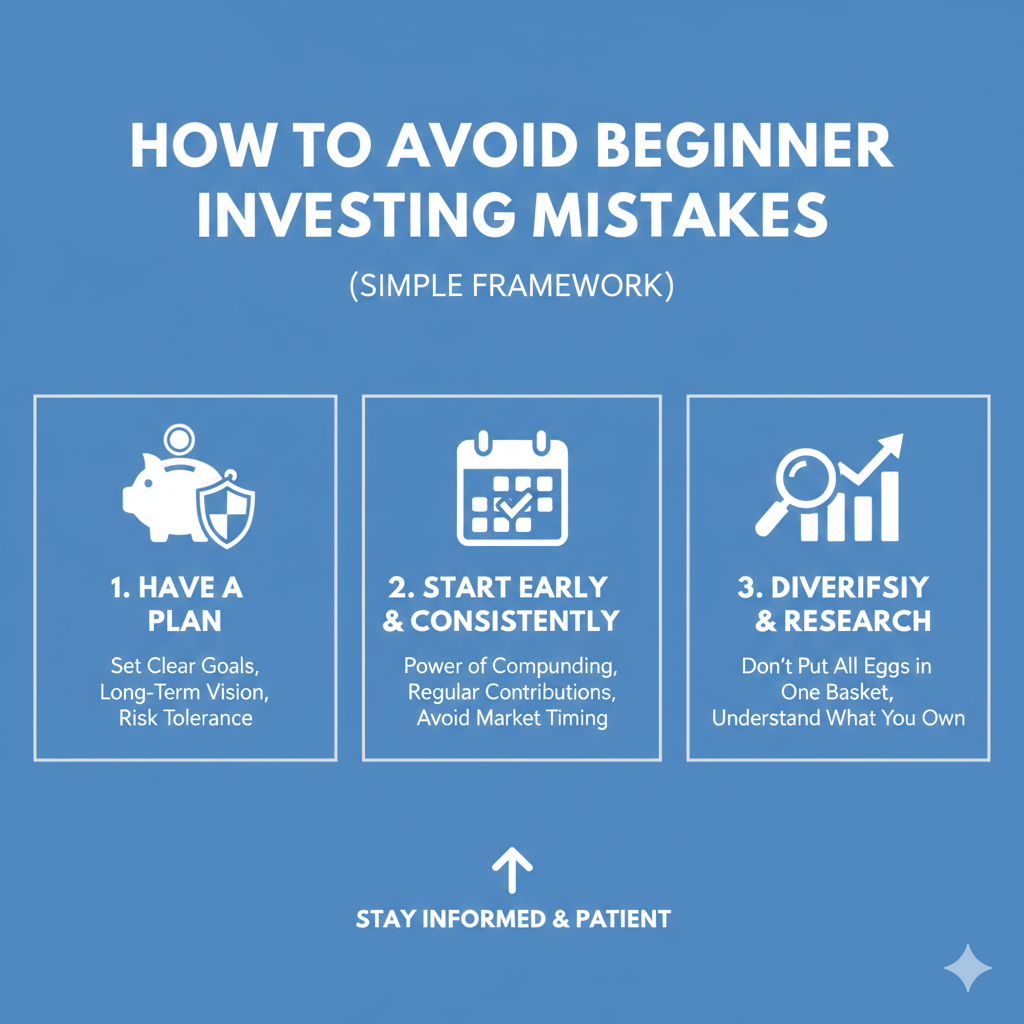
Table: Common investing mistakes vs smart alternatives
| Beginner Mistake | Why It Hurts | Better Approach |
| Waiting to invest | Lost compounding | Start small |
| Avoiding all risk | Inflation loss | Diversify |
| Chasing hype | Buy high | Stay boring |
| Overtrading | Emotional errors | Fewer decisions |
| No plan | Inconsistent results | Clear structure |
Real-world scenario: learning from early mistakes
In practical situations, most successful investors:
- Made early mistakes
- Lost small amounts
- Adjusted behavior instead of quitting
Those lessons often prevent much larger losses later.
FAQs
What is the biggest investing mistake beginners make?
Letting emotions drive decisions instead of structure.
Do beginners always lose money?
No—but mistakes increase risk unnecessarily.
Is it okay to make mistakes when investing?
Yes. Small mistakes are part of learning.
Should beginners avoid individual stocks?
Early on, diversification is usually safer.
How often should beginners review investments?
Monthly or quarterly is enough.
Can mistakes be reversed?
Often yes—if addressed early.
Conclusion
Investing mistakes beginners make are rarely about intelligence—they’re about emotion and structure. By starting simple, limiting decisions, and focusing on long-term behavior, you avoid the traps that derail most new investors. Mistakes teach—but systems protect.
Internal link
Long-Term vs Short-Term Investing: What Beginners Should Know
External link
Avoid These 6 Common Beginner Investing Mistakes That Could Cost You Big