
Introduction
Why saving money feels impossible isn’t about laziness or lack of discipline—it’s about timing, systems, and real-life financial pressures. Most people try to save after spending, underestimate unexpected expenses, and ignore emotional triggers, making traditional advice like “save 20%” ineffective.
This guide explains the hidden reasons saving fails, common mistakes beginners make, and a practical, phase-based approach to build consistent savings. By focusing on timing, automation, and realistic goals, you can finally make saving predictable and stress-free—no extreme discipline or perfect budgeting required.
The uncomfortable truth: saving isn’t just about income
Low income makes saving harder, but it isn’t the only factor. Even people earning “enough” often struggle.
Saving breaks down due to:
- Poor timing (saving last, not first)
- Lifestyle creep
- Irregular expenses
- Emotional spending
- Systems that require constant willpower
[Expert Warning] What beginners often overlook is timing. Even a good saving goal fails if money is already mentally spent.
Common reasons saving money feels impossible
1) Saving is treated as leftover money
When saving comes last, it rarely happens.
Fix: Save first—even if it’s a small, automatic amount.
2) Irregular expenses quietly drain progress
Car repairs, gifts, medical costs, and annual bills erase savings fast.
Fix: Use sinking funds so surprises stop feeling like emergencies.
3) Lifestyle creep happens silently
Small upgrades compound—subscriptions, delivery fees, convenience spending.
Fix: Review spending patterns monthly, not emotionally.
4) Emotional spending fills stress gaps
Spending becomes a relief valve during stress, boredom, or exhaustion.
Fix: Awareness before restriction. Notice triggers, then adjust.
Information Gain: Saving is a timing problem, not a discipline problem
Top SERP pages often blame mindset or motivation. What they miss is cash-flow timing.
Saving works when:
- Transfers happen immediately after income
- Bills are scheduled predictably
- Decisions are minimized
Designing when saving happens matters more than how much you intend to save.
[Pro-Tip] From real usage, automatic transfers as small as 3–5% outperform manual saving attempts of 20%.
Myth vs reality (unique section)
Myth: “I’ll save when my income increases.”
Reality: Most people expand spending alongside income.
Myth: “Small savings don’t matter.”
Reality: Consistency builds buffers and confidence.
Myth: “I need perfect control to save.”
Reality: Simple systems beat strict rules.

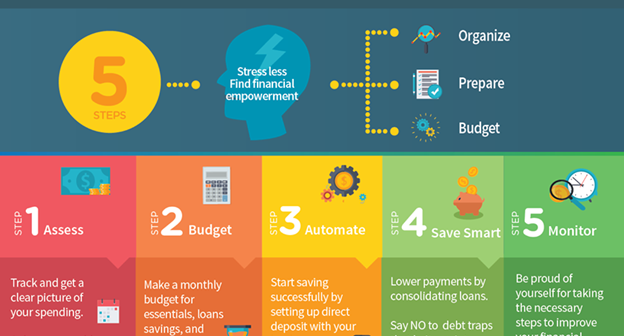
A realistic saving framework that actually works
Step 1: Start with a survival buffer
Goal: one month of essential expenses—not an emergency fund fantasy.
Step 2: Automate small, early transfers
Treat savings like rent: non-negotiable.
Step 3: Add sinking funds
Car, travel, repairs, annual bills—separate them.
Step 4: Increase slowly, not emotionally
Raise savings after stability improves, not during motivation spikes.
Table: Why saving fails vs what fixes it
| Problem | Why It Fails | Practical Fix |
| Saving leftovers | No money left | Save first |
| Big saving goals | Overwhelming | Start small |
| Irregular expenses | Surprise drain | Sinking funds |
| Emotional spending | Stress relief | Awareness + timing |
Real-world scenario: saving with tight margins
In practical situations, people with limited income save best by:
- Saving immediately after payday
- Keeping savings inaccessible (separate account)
- Accepting slow progress without guilt
Stability comes before growth.
[Money-Saving Recommendation] Once habits stabilize, using beginner-friendly savings accounts or tools can reduce friction and protect progress.
FAQs
Why can’t I save even with a budget?
Because timing, irregular expenses, or emotional spending may be breaking the system.
Should I save before paying bills?
No—save immediately after income and cover essentials first.
Is it possible to save on low income?
Yes, with small automation and realistic expectations.
How much should I save to start?
Any amount that’s consistent—often 3–5%.
Do sinking funds really help?
Yes. They prevent savings from being wiped out.
When should I increase savings?
After one month of stable spending and no overdrafts.
Conclusion
Saving money feels impossible when systems fight reality. When you change timing, simplify decisions, and remove guilt, saving becomes predictable—even if progress is slow. Stability first. Growth later.
Internal link
How to Track Expenses Manually: Simple Methods for Financial Awareness
External link