Introduction
Track expenses manually to gain real awareness of your spending, reduce impulse purchases, and build financial control without relying on apps or complex software. Manual expense tracking works because it slows spending enough to notice patterns, helping beginners develop lasting habits before introducing automation. In 2025, many people quit tracking because apps demand too much attention or hide insights. This guide explains simple methods to track expenses manually, common mistakes to avoid, and a realistic weekly routine that fits busy lives while improving financial decisions over time.ts.
Why manual expense tracking still works (and often works better)
track expenses Manual tracking slows spending just enough to create awareness. When you write numbers down yourself, you notice patterns apps often hide.
Manual tracking helps you:
Understand why you spend, not just where
Reduce impulse purchases
Stay conscious without constant notifications
Build habits before adding tools
[Pro-Tip] From real usage, people who start manually develop better spending instincts—even if they later switch to apps.
The core principle: awareness beats precision
track expenses You don’t need to record every coffee receipt.
Manual tracking works best when you:
Track categories, not items
Review totals, not transactions
Focus on patterns, not perfection
Accuracy improves naturally once awareness exists.
Three simple manual tracking methods (choose one)
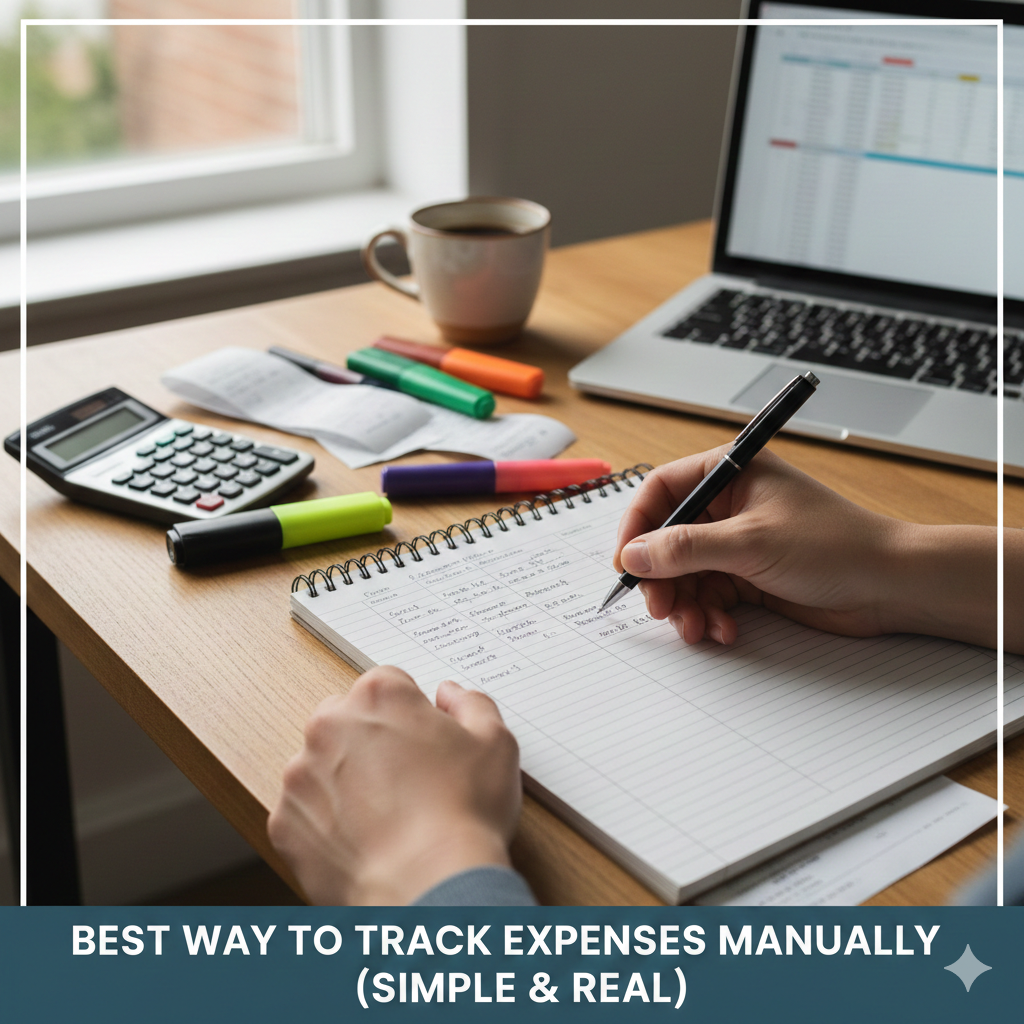
1) Notebook method (lowest friction)
One page per week
Categories listed on the side
Update once daily or every other day
2) Notes app method (phone-friendly)
Create a simple checklist with category totals
Update on the go
Review weekly
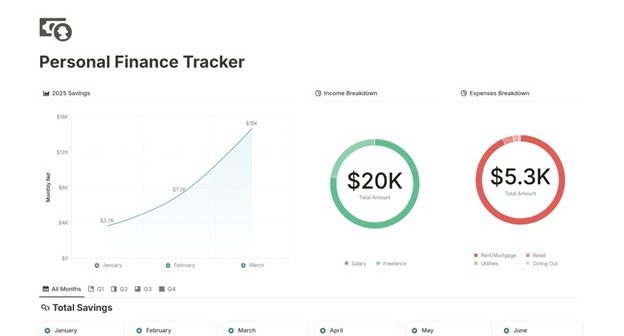
3) Spreadsheet-lite method
One sheet, one month
Columns for categories only
No formulas required
track expenses Choose the method that feels easiest to maintain—not the most impressive.
Common manual tracking mistakes (and fixes)
Mistake: Tracking every transaction forever
Fix: Track in phases. Awareness first, detail later if needed.
Mistake: Updating only at month-end
Fix: Shorter gaps reduce memory errors.
Mistake: Too many categories
Fix: Start with 5–7 categories max.
[Expert Warning] What beginners often overlook is category overload. Too many labels create friction and abandonment.
Information Gain: Why apps fail beginners
Top SERP results often recommend apps immediately. What they miss is habit readiness.
Apps fail when:
Users haven’t built review routines
Notifications replace reflection
Automation hides spending behavior
Manual tracking builds the foundation apps assume you already have.
Practical insight from experience (unique section)
In practical situations, the biggest improvement comes not from tracking more, but from reviewing better. A 10-minute weekly review does more for control than perfect daily logs. The habit of reflection—not the method—drives results.
How to run a 10-minute weekly expense review
Add up category totals
Compare to last week (not goals)
Identify one surprise
Adjust next week’s ranges
Keep it short. Consistency matters more than depth.
Table: Manual tracking vs app tracking
| Feature | Manual Tracking | App Tracking |
| Setup time | Very low | Medium |
| Awareness | High | Medium |
| Automation | Low | High |
| Beginner-friendly | Very high | Medium |
| Long-term flexibility | High | High |
When to add tools (and when not to)
Add tools only when they reduce effort you already feel:
Automatic savings
Bill reminders
Category summaries
At that point, exploring beginner-friendly financial tools or accounts can enhance—not replace—your habits.
[Money-Saving Recommendation] Avoid paid apps early. Free manual methods outperform expensive tools without habits.
FAQs
Is manual expense tracking effective?
Yes. It improves awareness and control with minimal effort.
How often should I update expenses?
Every 1–2 days works best.
How many categories should I use?
Start with 5–7 and adjust later.
Do I need receipts?
No. Totals matter more than proof.
How long should I track manually?
At least one full month for pattern clarity.
Can I switch to apps later?
Yes. Manual tracking builds the foundation apps need.
Internal link
How to Create a Monthly Budget Step by Step (Realistic
External link