Introduction
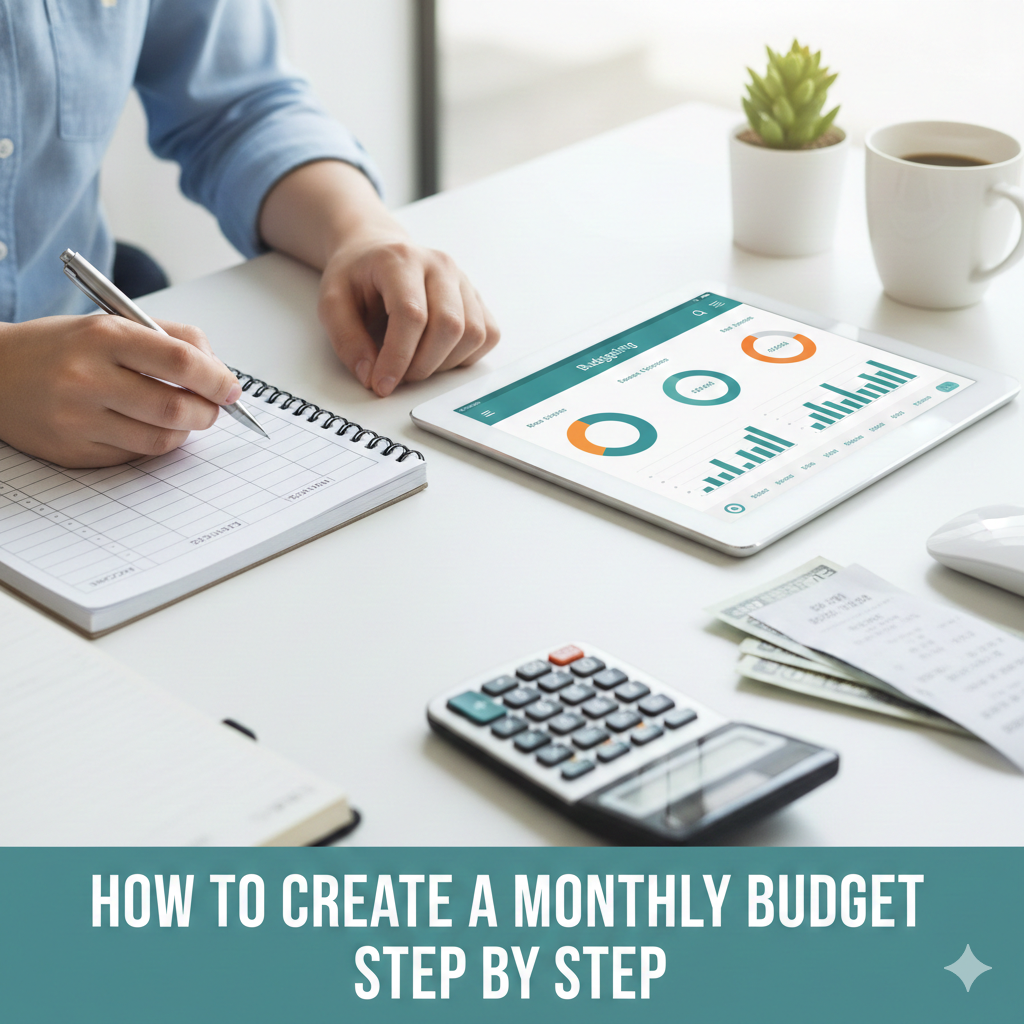
How to create a monthly budget step by step means planning essentials first, estimating flexible spending realistically, and reviewing weekly instead of locking numbers for the entire month. Traditional budgeting advice assumes stable income and perfect discipline—but real life rarely works that way. Bills arrive early, costs fluctuate, and unexpected expenses appear. This guide shows a practical, flexible approach to monthly budgeting, helping you build a system that adjusts to reality, avoids burnout, and improves control over your finances. You’ll learn step-by-step methods, common mistakes to avoid, and a routine that actually lasts.a
Creating a monthly budget step by step means planning essentials first, estimating flexible spending realistically, and adjusting weekly instead of locking numbers for the entire month.
Traditional budgeting advice assumes stable income, predictable expenses, and perfect discipline. Real life doesn’t work that way. Bills arrive early, costs fluctuate, and unexpected expenses are normal. This guide shows how to build a monthly budget that moves with reality, not against it. You’ll learn a simple step-by-step process, common mistakes that break budgets, and a flexible approach that stays usable even when months don’t go as planned.
Step 1: Identify your financial floor (before anything else)
Your financial floor is the minimum amount you must cover to stay stable.
Include:
Rent or housing
Utilities
Insurance
Minimum debt payments
Basic groceries
Transport essentials
This step matters more than percentages or savings rules. If your floor isn’t accurate, everything else collapses.
[Expert Warning] What beginners often overlook is underestimating irregular bills. Annual and quarterly expenses belong in your floor, averaged monthly.
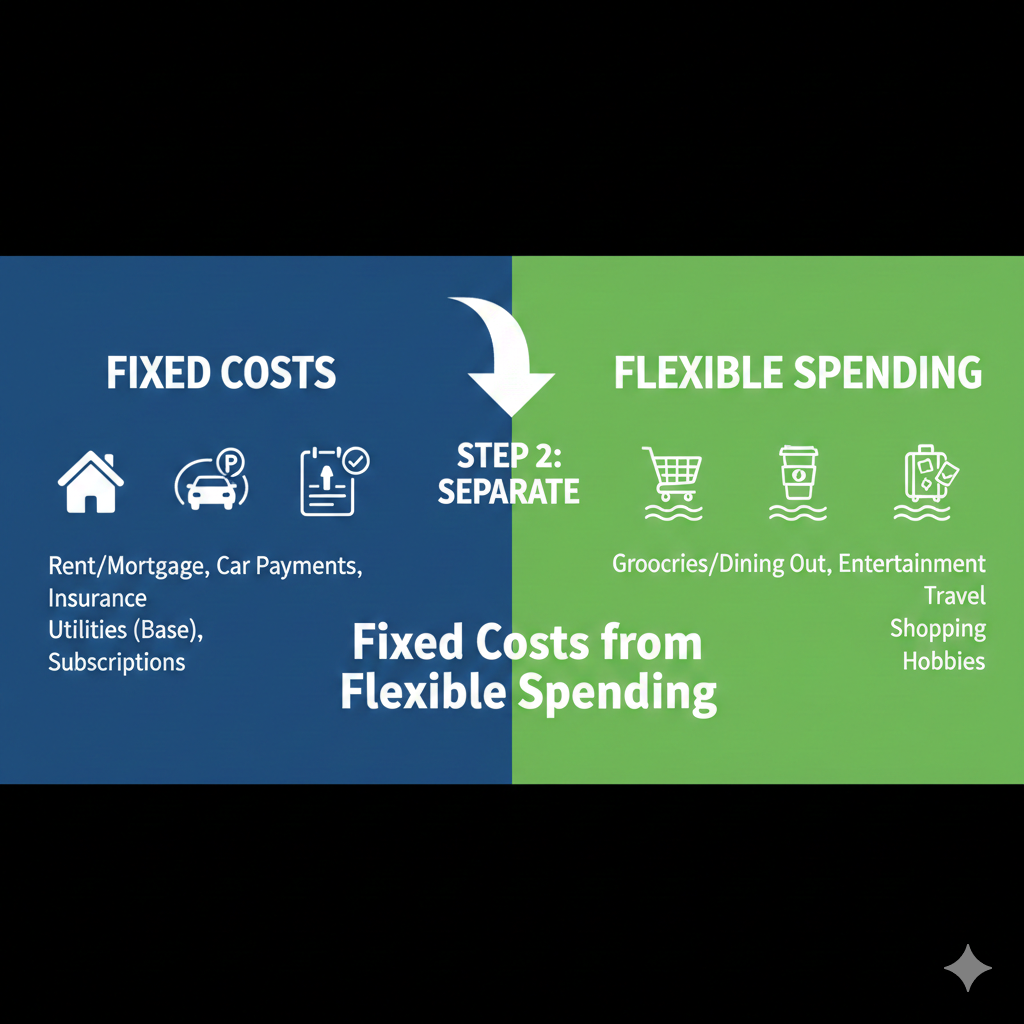
Step 2: Separate fixed costs from flexible spending
Once the floor is clear, split the rest into flexible categories:
Food beyond basics
Transport variations
Subscriptions
Personal spending
Entertainment
Instead of assigning exact numbers, use ranges. For example:
Groceries: $250–$300
Transport: $80–$120
Ranges reduce guilt and make adjustments easier.
Step 3: Estimate income conservatively
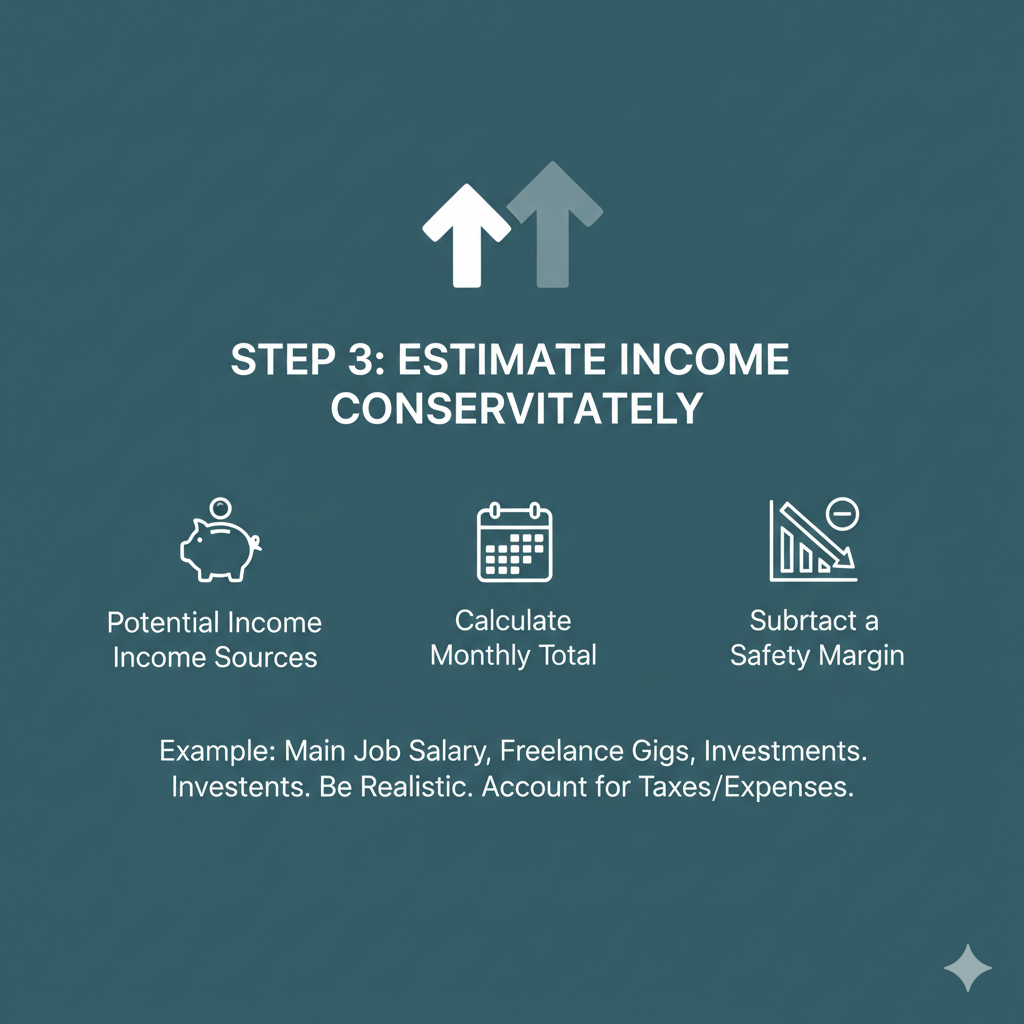
If income is stable, use your net monthly amount.
If income varies, budget using your lowest realistic month, not the average.
Any extra income becomes:
Buffer
Catch-up savings
Irregular expense coverage
This approach prevents mid-month budget failure.
Common budgeting mistakes (and fixes)
Mistake 1: Copying online budget formulas
Fix: Build your budget from actual expenses, not ideal ratios.
Mistake 2: Locking numbers for 30 days
Fix: Adjust weekly. Budgets need checkpoints.
Mistake 3: Treating savings as leftover money
Fix: Schedule savings like a bill—even if it’s small.
[Pro-Tip] From real usage, budgets that allow weekly edits are followed far longer than “set-and-forget” plans.
Step 4: Schedule a weekly budget review (the real secret)
A monthly budget succeeds or fails in weekly check-ins, not in setup.
Your weekly review should answer:
What changed this week?
Which category drifted?
What needs adjusting next week?
Keep it under 15 minutes. Consistency matters more than detail.
Information Gain: Why most monthly budgets fail mid-month
Top SERP pages focus on setup but ignore timing mismatches.
Budgets fail when:
Bills arrive before incom
Flexible spending isn’t reviewed
Irregular costs are ignored
The fix isn’t tighter control — it’s shorter feedback loops. Weekly adjustments prevent month-end surprises.
Real-world scenario: budgeting with unpredictable expenses
Imagine a month where:
Car repair appears unexpectedly
Grocery prices spike
Income arrives late
A rigid budget breaks. A flexible one absorbs the hit by:
Using buffers
Shifting ranges
Postponing non-essentials
This is why adaptability beats precision.
Step 5: Add savings and buffers realistically
Savings don’t need to be aggressive to be effective.
Start with:
Emergency buffer
Sinking funds (repairs, travel, annual bills)
Even small automatic transfers build stability over time.
[Money-Saving Recommendation] Once your budget is stable, exploring beginner-friendly savings tools or accounts can reduce friction and improve consistency.
Table: Rigid budgeting vs flexible budgeting
| Feature | Rigid Budget | Flexible Budget (Recommended) |
| Adjustments | Monthly only | Weekly |
| Expense handling | Fixed | Range-based |
| Stress level | High | Low |
| Real-life fit | Poor | Strong |
| Long-term success | Low | High |
FAQs
What is the easiest monthly budgeting method?
One that uses ranges and weekly reviews instead of fixed numbers.
Should I budget monthly or weekly?
Plan monthly, review weekly.
Can I budget without apps?
Yes. A simple spreadsheet or notebook works.
What if I overspend one category?
Adjust another. Budgets are trade-off tools.
How detailed should a budget be?
Detailed enough to notice patterns, not exhaust you.
Should savings be part of the budget?
Yes—treated like a bill.
Conclusion
A monthly budget doesn’t need to be perfect — it needs to be adjustable. When you plan essentials first, use ranges, and review weekly, your budget becomes a tool you can trust. Control comes from flexibility, not rigidity.
Internal link
Personal Finance Tips for Beginners That Actually Work
External link