
Introduction
Learning how to manage personal finances effectively means understanding where your money goes, setting priorities that fit your life, and using flexible systems for saving and spending—rather than rigid rules that break under real-world pressures.
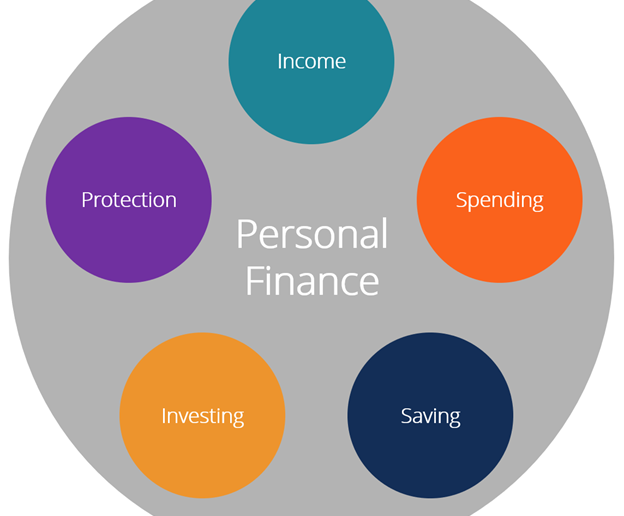
Rising costs, variable incomes, and constant financial decisions have made traditional advice feel out of touch. Many people aren’t “bad with money”; they’re using systems that don’t adapt to real life. This guide provides practical steps to manage personal finances, focusing on clear visibility, better decisions, and habits you can sustain. You’ll learn how to build a money system that flexes with your life, avoid common mistakes, and apply insights most guides miss—no guilt, no rigid formulas, just a workable approach you can maintain.
What “personal finance” actually includes (beyond budgeting)
Personal finance is often reduced to a monthly budget, but effective money management spans several moving parts:
Cash flow timing: when money arrives vs. when bills hit
Fixed vs. flexible costs: rent and utilities versus groceries and transport
Decision fatigue: the mental load of constant spending choice
Short-term shocks: irregular expenses that derail plans
Behavioral triggers: stress, convenience, and emotional spending
When these pieces aren’t aligned, even a perfect spreadsheet fails.
A practical framework for managing money (simple, flexible, real)
personal finances Instead of rigid rules, use a three-layer system that adapts:
Layer 1: Financial Floor (non-negotiables)
Cover essentials first—housing, utilities, insurance, minimum debt payments. This is your stability layer.
Layer 2: Flexible Living (controlled freedom)
Food, transport, subscriptions, and fun. Set ranges, not fixed numbers, and review weekly.
Layer 3: Future Buffers (automatic, small, consistent)
Savings, sinking funds, and investing—paid automatically so progress happens even in busy months.
[Pro-Tip] From real usage, people stick to systems that allow adjustment. Ranges reduce guilt and prevent abandonment.
Common money management mistakes
personal finances
Mistake 1: Over-optimistic budgets
Fix: Add buffers. Plan for imperfect months.
Mistake 2: Tracking everything forever
Fix: Track in phases. Awareness first, optimization later.
Mistake 3: Saving last
Fix: Automate small transfers right after income lands.
Mistake 4: One-size-fits-all rules
Fix: Customize by income stability and life stage.
Information Gain: Why most finance systems fail
personal finances Top SERP pages focus on rules (“save 20%,” “track every expense”) but ignore decision friction—the effort required to follow the system daily. When friction is high, consistency collapses.

Reduce friction by design:
Fewer categories
Automatic transfers
Weekly (not daily) reviews
Clear priorities for trade-offs
This shift—from discipline to design—is what sustains results.
A real-world scenario: managing money with variable income
If income fluctuates, monthly rigidity backfires. Try this:
Base your Financial Floor on your lowest expected month
Treat higher months as buffer-builders (catch-up savings, sinking funds).
Review weekly and adjust ranges, not goals.
[Expert Warning] What beginners often overlook is timing. Even good plans fail if bills arrive before income.
Tools that help—without complexity
You don’t need advanced apps to start. Choose based on friction:
Manual: notebook or notes app (fast awareness)
Light tech: a simple spreadsheet (category totals)
Automation: bank rules for savings and bills
As your system stabilizes, you can explore financial apps and beginner-friendly tools that reduce effort without locking you into complexity.
[Money-Saving Recommendation] Start with free tools first. Upgrade only when a tool clearly removes effort you already feel.
A simple monthly check-in (15 minutes)
Glance at category totals
Note one win, one leak
Adjust next week’s ranges
Confirm automated transfers ran
Consistency beats intensity.
Table: Flexible ranges vs. rigid rules (quick comparison)
| Approach | Effort | Adaptability | Burnout Risk | Long-Term Stickiness |
| Fixed percentages | Low | Low | High | Low |
| Daily micromanagement | High | Medium | High | Low |
| Flexible ranges (recommended) | Medium | High | Low | High |
FAQs
How do I start managing money with a low income?
Begin with visibility and small automation. Stability first, growth later.
Is budgeting required to manage finances effectively?
No. Awareness and priorities matter more than a strict budget.
How long until I see progress?
Most people notice control within 30–45 days with weekly reviews.
Do I need apps to manage money well?
No. Apps help when they reduce effort—not before.
What if I keep overspending?
Check friction and timing. Adjust ranges and automate earlier.
Should I save or pay debt first?
Cover essentials, then do both in small amounts unless interest is extreme.
Conclusion
Managing personal finances effectively isn’t about perfection—it’s about clarity, timing, and systems that adapt. When you reduce friction, automate small wins, and review regularly, progress becomes predictable. Start simple, adjust honestly, and let consistency do the heavy lifting.
Internal link
How Much Should I Save Each Month? A Realistic Guide
External link
How to Manage Money: A Step-By-Step Guide for Beginners – NerdWallet